When managing a large‑scale operation, you’re no stranger to the countless decisions that impact your bottom line. But often, something as seemingly simple as choosing the right pallet can slip under the radar, yet it has the potential to affect everything from logistics efficiency to compliance costs and even product quality.
A research analysis of global trade found that wooden packaging materials (including pallets) account for roughly half of all goods transported internationally on wood‑packaging.
That means millions of shipments rely on pallets, and if those pallets carry pests, fail inspections, or get rejected at customs, the effect on supply‑chain reliability and cost per unit can be large.
In this blog, we’ll break down the difference between heat-treated and non-heat-treated pallets, and show you how choosing the right one can improve your lead time stability, reduce downtime, and help you optimize costs and efficiency.
Key Takeaways
Pallets are essential for cost-effective storage and transport, impacting both logistics and product quality.
Heat-treated pallets cost more upfront but are required for international shipping and regulatory compliance (ISPM-15).
Non-heat-treated pallets are more affordable but not suitable for international shipments and come with a higher risk of pest contamination.
Heat-treated pallets are ideal for long-term use, ensuring reduced downtime, regulatory compliance, and lower risk over time.
Non-heat-treated pallets work best for domestic use, short-term shipments, and when cost savings are a priority, but they lack long-term durability.
What Are Pallets, and Why Do They Matter to Your Business?
Pallets are more than just platforms; they’re an important part of your logistics strategy. These flat, movable platforms provide a stable base for stacking, storing, and transporting goods efficiently across warehouses and distribution centers. Without pallets, managing bulk goods becomes a labor-intensive and space-consuming process, leading to increased costs, delays, and operational inefficiencies.
Why do pallets matter to your business?
Cost Efficiency: Pallets enable efficient stacking, saving valuable storage space and minimizing handling time. This leads to lower cost per unit and more streamlined processes.
Improved Safety & Productivity: By securely holding products and making them easy to move with forklifts or pallet jacks, pallets reduce the risk of damage, injury, and costly rework or scrap.
Optimized Logistics & Throughput: Pallets facilitate smooth transportation across various modes (road, rail, sea), allowing you to keep goods moving and maintain throughput without delays or bottlenecks in your supply chain.
Choosing the right pallet can directly impact key metrics like downtime reduction, lead time stability, and supply chain efficiency. This is why understanding the differences between heat-treated and non-heat-treated pallets is important to keeping your operations running smoothly and cost-effectively.
Heat-Treated Pallets: The Global Standard for Safe and Compliant Shipping
Heat-treated pallets are specially treated wooden pallets that undergo a heating process designed to eliminate pests like wood-boring insects, fungi, and bacteria. This treatment makes them compliant with international standards, particularly ISPM-15, and ensures they’re fit for global shipping.
Why Heat Treatment Is Important for Your Business:
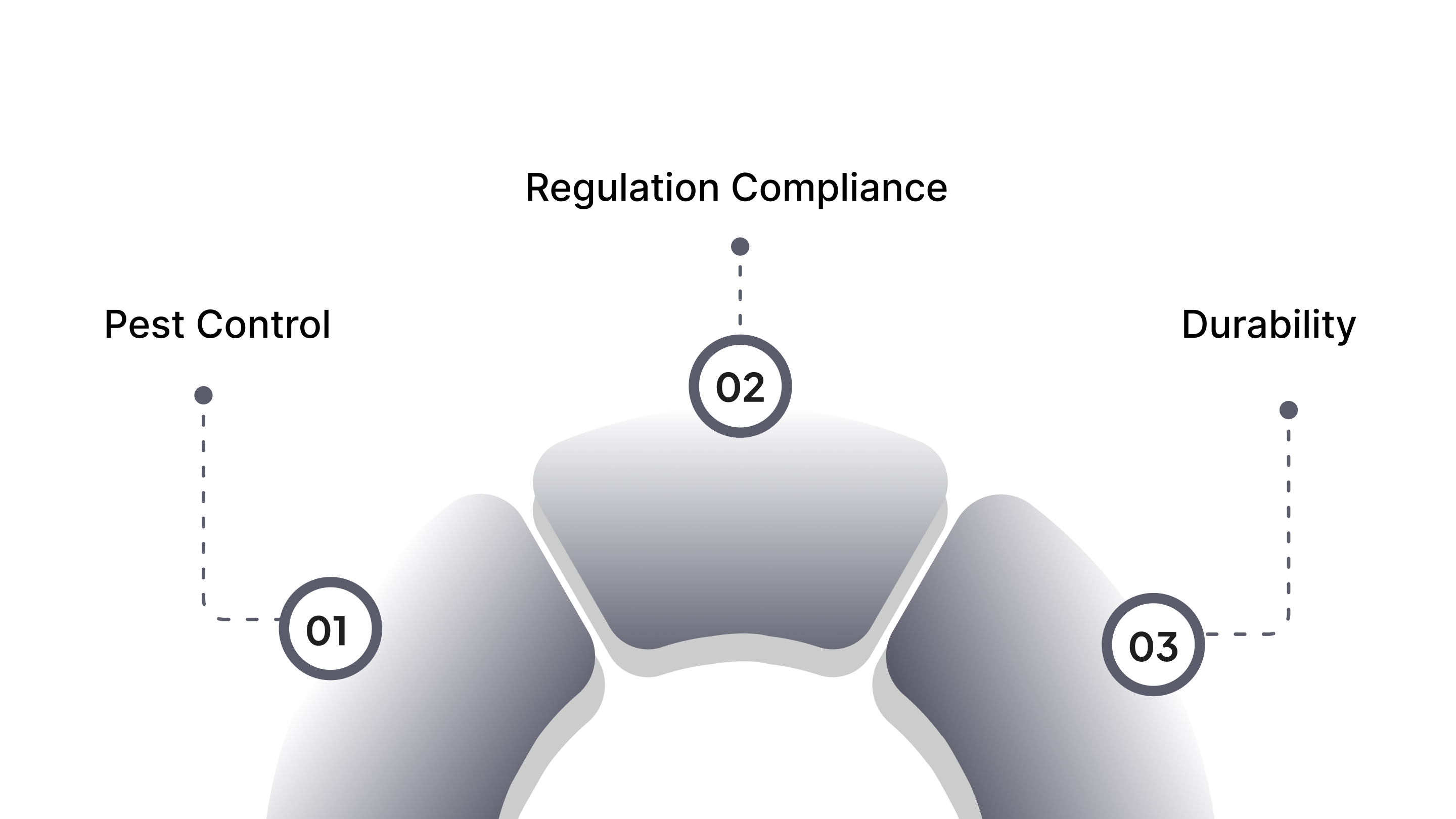
Pest Control: Heat treatment eradicates pests that could otherwise spread across borders, helping you avoid costly shipment rejections and delays at customs.
Regulation Compliance: For international shipping, compliance with ISPM-15 is non-negotiable. Without heat-treated pallets, you risk shipment rejection and potential penalties.
Durability: Heat treatment strengthens the pallets, making them more resistant to decay and damage, which translates into fewer replacements and lower maintenance costs over time.
Heat-treated pallets are important for businesses that rely on global supply chains and compliance with international regulations. While they come with a higher upfront cost, their durability and regulatory compliance can help reduce long-term risks and avoid costly delays, key factors in maintaining smooth operations.
Need ISPM-15 certified pallets for international shipping?
Meridian offers heat-treated export pallets that are ISPM-15 certified for international shipping compliance.
Non-Heat-Treated Pallets: A Cost-Effective Choice for Domestic Operations
Non-heat-treated pallets are wooden pallets that haven’t gone through the heat treatment process. These pallets are typically used for domestic shipments or in regions where international shipping regulations, like ISPM-15, don’t apply.
When Are Non-Heat-Treated Pallets a Good Fit for Your Business?
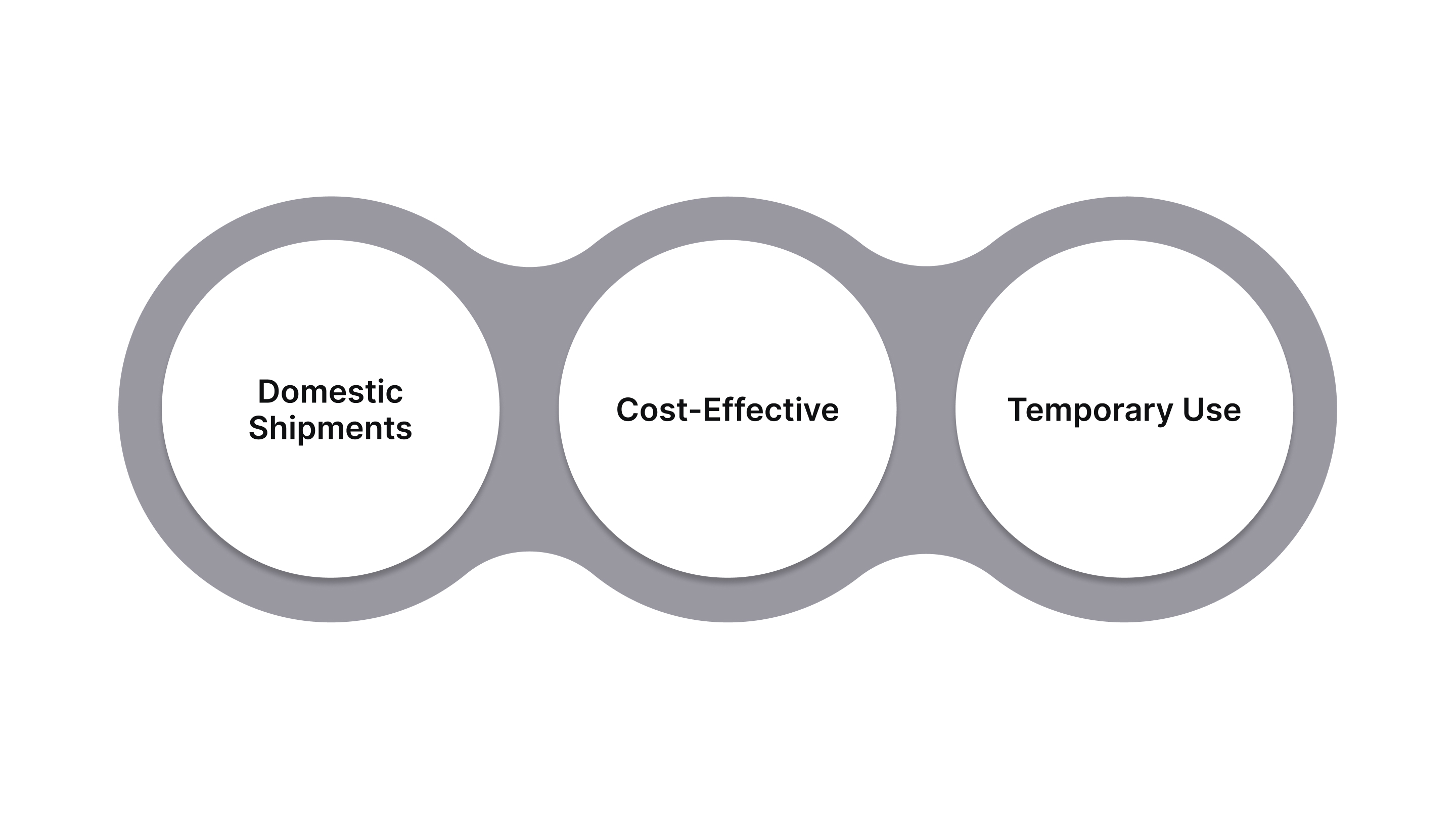
Domestic Shipments: Ideal for local shipments within regions where pest control isn’t a concern and international compliance isn’t required.
Cost-Effective: Non-heat-treated pallets are usually more affordable, making them a viable option for short-term or budget-sensitive shipments, without the added cost of treatment.
Temporary Use: Great for short-term storage or one-time shipments where pest contamination risk is minimal and durability is less critical.
However, non-heat-treated pallets do come with a trade-off: without the heat treatment, they are more vulnerable to decay and pest infestations, which can result in product quality risks and operational inefficiencies. This could lead to increased downtime and higher scrap rates, especially for products that require longer transport or cross-border movement.
Heat-Treated vs Non Heat-Treated Pallets: What’s the Real Difference?
Making the right choice between heat-treated and non-heat-treated pallets can have significant impacts on your business.
Let's break down the key differences and what they mean for your operations:
Features | Heat-Treated Pallets | Non Heat-Treated Pallets |
Pest Control | Eliminates pests, fungi, and bacteria, ensuring compliance with international standards | No treatment, increasing the risk of pest contamination and fungal growth during transport |
International Shipping | Required for compliance with ISPM-15 for export, making them suitable for global shipments | Not compliant for international shipping, limiting use to domestic transport only |
Durability | Stronger, more resistant to decay, extending pallet life and reducing long-term replacement costs | More vulnerable to wear and tear, leading to more frequent replacements and increased downtime |
Cost | Higher upfront cost due to the heat treatment process, but provides long-term value through durability and compliance | Lower initial cost, but potential for higher operational costs over time due to reduced lifespan and risk of failure |
Environmental Impact | More eco-friendly, as heat treatment uses minimal resources to improve longevity and reduce waste | Potential for faster wood decay, leading to higher environmental impact over time and increased waste |
Best Use Case | Ideal for international shipments, regulated industries, and long-term storage where compliance and durability are critical | Best suited for domestic shipments, short-term use, or in regions with no international shipping requirements |
Choosing the right pallet type comes down to balancing cost, durability, and compliance with your operational needs. Heat-treated pallets offer greater longevity and regulatory compliance, making them ideal for global shipping and long-term use. On the other hand, non-heat-treated pallets are a cost-effective solution for domestic, short-term shipments but come with limitations in terms of durability and compliance.
Pro Tip: No matter which pallet type you choose, optimizing your overall pallet and packaging strategy is necessary for reducing costs and improving operational performance. If you want to maximize your pallet spend and improve throughput, reduce downtime, and lower scrap rates, Meridian’s Packaging Optimization Audit can help you achieve just that.
Making the Right Pallet Choice: A Strategic Decision for Your Operations
Choosing between heat-treated and non-heat-treated pallets is more than just a technical decision; it's about aligning your pallet choice with your business strategy and logistics goals. The right choice impacts everything from cost-efficiency to compliance, and can even affect supply chain stability. Here’s a clearer way to approach the decision:
When Heat-Treated Pallets Are the Right Fit
Opt for heat-treated pallets if your operations demand global reach and long-term reliability. Here are scenarios where they make the most sense:
Global Expansion: If your business ships products internationally, especially to regions with strict pest control regulations, heat-treated pallets are non-negotiable. Compliance with ISPM-15 is essential to avoid customs rejections and shipping delays.
Long-Term Durability: For products that will travel long distances, especially those stored over extended periods, heat-treated pallets offer superior strength and resilience. They withstand harsh conditions, reducing the risk of damaged goods and downtime during transit.
Regulated Industries: If your business operates in regulated sectors like pharmaceuticals, food, or chemicals, where compliance is a high priority, heat-treated pallets ensure that you meet all necessary safety and industry standards, safeguarding your products and reputation.
When Non-Heat-Treated Pallets Make Sense
Non-heat-treated pallets might seem like a cheaper option, but they can also be the best fit in the right circumstances. Here’s when they are more suited for your operations:
Domestic Focus: If your business is focused on domestic shipments within regions where pest control regulations and international standards don’t apply, non-heat-treated pallets are a cost-effective choice. They work well for local distribution where compliance isn’t an issue.
Short-Term Projects: When you need pallets for temporary use, like one-off shipments or short-term storage, non-heat-treated pallets can get the job done without the extra investment in heat treatment.
Budget-Conscious Operations: If you’re looking to keep your pallet-related costs low and your shipments are not going overseas, non-heat-treated pallets can be a smart option, especially if the goods are non-critical and the risk of contamination is low.
Make your choice based on where your business is today, and where it’s headed tomorrow. Align your pallet strategy with your global reach, compliance goals, and budget constraints to ensure that your supply chain remains efficient, cost-effective, and reliable.
Final Thoughts
At the end of the day, the right pallet for your business will depend on a combination of budget, compliance and operational needs.
Heat-treated pallets are a must for international shipping and compliance with pest control regulations. They offer greater durability and are better for long-term use, though they come at a higher cost. Non-heat-treated pallets, on the other hand, provide a cost-effective solution for domestic, short-term use but lack the protections and longevity of heat-treated ones.
By understanding the core differences and the needs of your business, you can make a smart, informed decision that improves your logistics, reduces risks, and optimizes your pallet investment.
Need help choosing the right pallets for your business? Visit Meridian to explore a wide range of pallet solutions, tailored to meet your specific needs.
Frequently Asked Questions (FAQs)
What Exactly Are Heat-Treated Pallets?
Heat-treated pallets are wooden pallets that have undergone a specific heating process to eliminate pests, bacteria, and fungi. This treatment meets ISPM-15 standards for international shipping, ensuring the pallets are safe for use across borders without spreading harmful organisms.
How Can You Identify if a Pallet Has Been Heat-Treated?
To determine if a pallet has been heat-treated, look for the ISPM-15 mark, a symbol stamped on the pallet. This mark indicates that the pallet has been treated at a specified temperature for a set duration. The stamp will often include the treatment code and the country of origin.
How Does Heat-Treated Wood Differ from Non-Heat-Treated Wood?
The primary difference between heat-treated and non-heat-treated wood is the treatment process. Heat-treated wood is heated to a specific temperature to kill any pests or pathogens, while non-heat-treated wood has not undergone this process. As a result, non-heat-treated wood may harbor pests or be more prone to decay.
What’s the Difference Between Heat-Treated and Fumigated Pallets?
Heat-treated pallets undergo a process where the entire pallet is heated to a certain temperature to eliminate pests. Fumigated pallets, on the other hand, are treated with chemicals (usually methyl bromide) to kill pests. Heat treatment is generally considered a more eco-friendly option, as it doesn’t involve chemicals.
Are Heat-Treated Pallets More Expensive Than Non-Heat-Treated Pallets?
Yes, heat-treated pallets tend to be more expensive than non-heat-treated ones due to the added cost of the treatment process. However, they offer greater durability and compliance with international shipping standards, which can save money in the long run by avoiding shipping delays and customs issues.