Are you unsure if your GMA pallets need heat treatment? Understanding the requirements for heat treatment is essential for businesses that rely on pallets for shipping goods.
The question "Are GMA pallets heat treated?" is crucial, especially when you're dealing with international shipping and regulatory standards. Heat treatment ensures your pallets comply with regulations like ISPM 15, making them suitable for export.
In this blog, you'll learn about the specifications of GMA pallets, when heat treatment is required, and how to stay compliant with industry standards for your shipments.
Quick look
GMA pallets are usually not heat-treated unless required for international shipping or regulated industries.
Heat treatment is necessary for ISPM 15 compliance, especially for export and food-grade shipments.
GMA pallets are commonly 48" x 40", with standard materials including wood, plastic, and composite.
Heat-treated pallets prevent pest infestations and ensure safe transport for regulated goods.
The ISPM 15 stamp on heat-treated pallets confirms compliance with international regulations.
What Are GMA Pallets?
GMA pallets, commonly used in the grocery and retail industries, follow a standardized size and construction to ensure easy handling and compatibility across different systems.
These pallets are typically used for high-volume shipments and storage in warehouses, making them an essential part of the logistics and supply chain operations.
What are the specifications of GMA pallets?
GMA pallets follow a set of strict specifications to ensure consistency and reliability across industries. These include:
Four-way forklift entry with two notches on the side for easy access from any direction.
Top and bottom deck boards are a minimum of 1/2 inch thick to ensure durability.
Five boards measuring 3 1/2″ x 40″ in the center and a 5 1/2″ x 40″ board on each end of the top.
Three boards measuring 3 1/2″ x 40″ between the notches on the bottom, with a 5 1/2″ x 40″ board on each end.
These specifications are designed to ensure that GMA pallets can handle heavy loads, fit standard racking systems, and meet the needs of a variety of industries.
What Is Heat Treatment (HT) for Wooden Pallets?
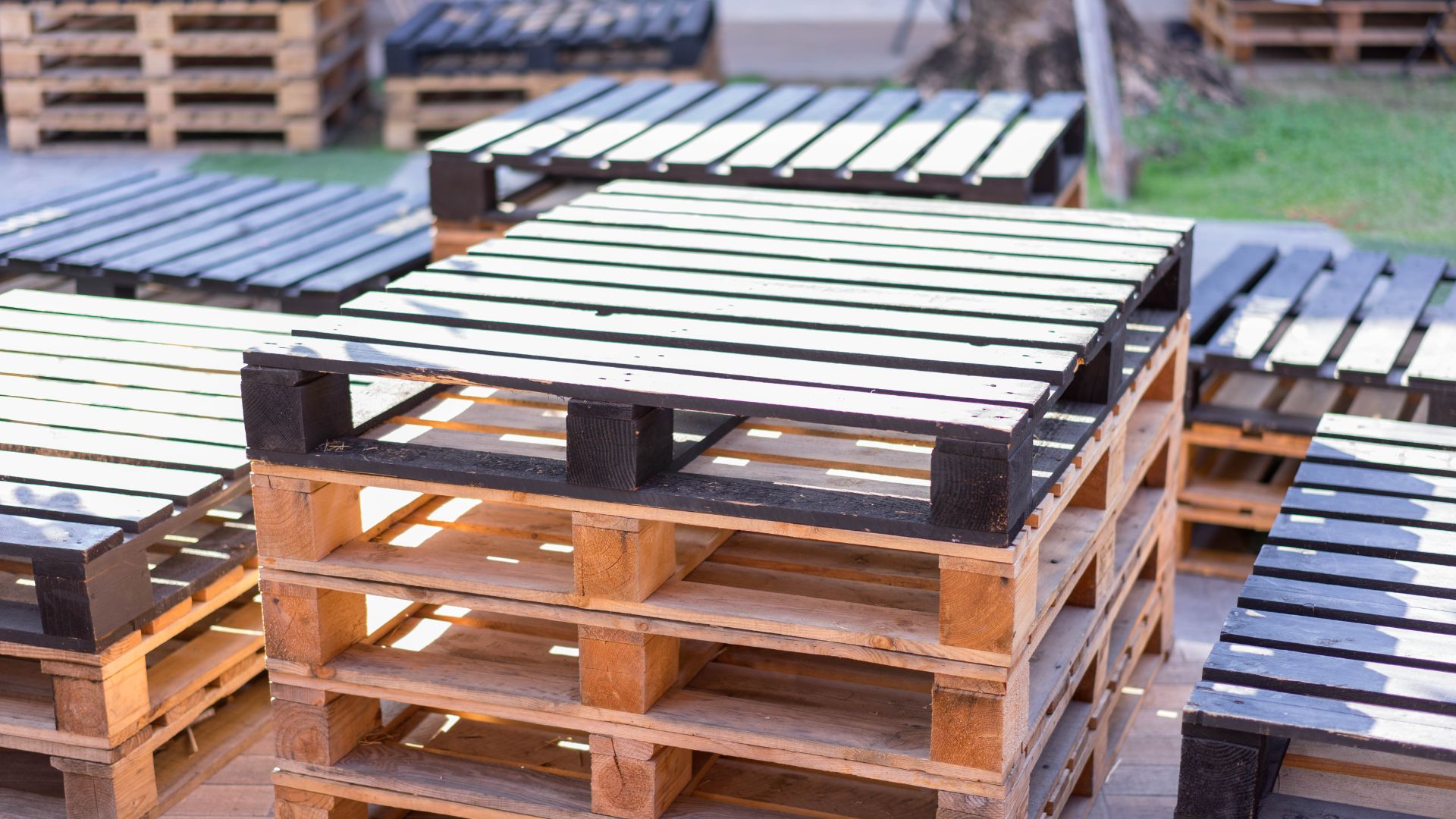
Heat treatment (HT) is the process of heating wooden pallets to 56°C (132.8°F) at the core for at least 30 minutes to eliminate pests and pathogens.
Purpose:
Pest Control: Kills insects, fungi, and bacteria that might be present in the wood.
Regulatory Compliance: Ensures compliance with ISPM 15 standards for international shipments.
Why It's Necessary:
International Shipping: Many countries require pallets to be heat-treated to avoid the spread of invasive species.
Biosecurity: Reduces the risk of carrying harmful pests and diseases that can impact local ecosystems.
ISPM-15 Stamp:
Heat-treated pallets are marked with an ISPM-15 stamp on the pallet's side, certifying that the treatment has been completed.
This stamp is often a requirement for customs clearance when pallets are used for export.
Benefits:
Prevents Customs Rejections: Ensures pallets are accepted at international borders, preventing delays.
Ensures Product Safety: Reduces the risk of contamination in sensitive industries like food or pharmaceuticals.
Considering these details, it's clear that heat treatment plays a crucial role in ensuring compliance for certain types of pallet usage.
Let's now explore whether GMA pallets typically undergo heat treatment and when it becomes necessary.
Are GMA Pallets Heat Treated by Default? (What You Need to Know)
GMA pallets do not come heat-treated by default. The standard GMA pallet, often referred to as the 48×40 pallet, is primarily designed for domestic use, and heat treatment is not typically required unless specified by certain conditions.
Standard GMA Pallet Specifications:
Size: 48” x 40”
Material: Typically wood (hardwood or softwood), though plastic and composite options are available.
Forklift Entry: Four-way access for efficient handling.
Load Capacity: Typically designed for 1,000-2,500 lbs, depending on the pallet type and construction.
For most domestic uses, such as within the U.S., heat treatment is not mandatory. However, if the pallet is being used for international shipping or in regulated industries, heat treatment may be required to meet specific compliance standards like ISPM 15.
Are you unsure whether your pallets need to be heat-treated? Meridian offers a range of heat-treated GMA pallets that ensure compliance with international shipping standards and industry regulations.
Use Cases - When to Use Heat-Treated GMA Pallets
Heat-treated GMA pallets are essential in specific industries and use cases where compliance and hygiene standards are paramount. Their treatment ensures that pallets meet the necessary regulations for international shipping and sensitive goods handling.
In the following scenarios, heat-treated GMA pallets provide crucial benefits for ensuring safety, compliance, and efficiency:
International Shipping / Export: Heat-treated GMA pallets meet ISPM 15 standards, ensuring compliance with global pest control regulations for cross-border shipments.
Food Industry: For food-grade goods, heat-treated pallets prevent contamination and ensure safe handling of products under FDA or USDA guidelines.
Pharmaceuticals and Medical Equipment: Heat-treated pallets are required to maintain sterility and avoid contamination when transporting sensitive medical supplies.
Warehousing and Long-Term Storage: These pallets help avoid pest infestations and degradation of goods during extended warehouse storage in environments with fluctuating temperatures.
Retail and Distribution: Heat-treated pallets are ideal for retail logistics, ensuring safe transport of goods in high-volume supply chains and reducing the risk of pest contamination across warehouses and stores.
For accurate sourcing, it's essential to confirm that pallets meet the required heat treatment standards, especially when dealing with international shipments or regulated industries.
5 Essential Steps to Verify and Procure Compliant GMA Pallets
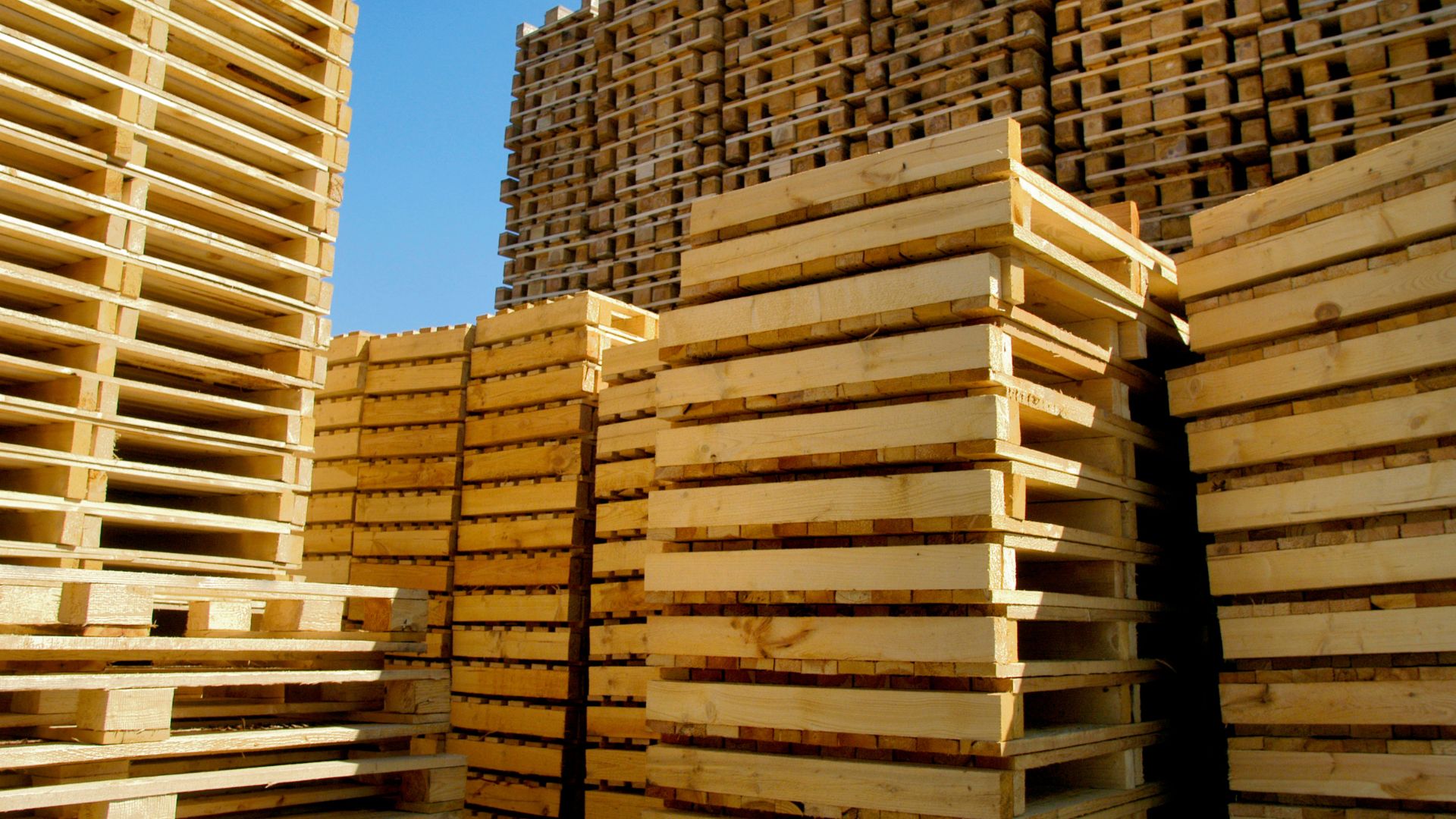
When sourcing GMA pallets, it's essential to ensure they meet compliance standards and the necessary specifications for your specific use case.
Here's how to verify and procure pallets that are compliant with industry regulations:
ISPM 15 Stamp: Ensure the pallet has the ISPM 15 stamp, confirming it has been heat-treated for international shipping compliance.
Verify GMA Specifications: Check for standard dimensions (48" x 40"), four-way forklift entry, and 1/2 inch thick deck boards for durability.
Supplier Certification: Confirm with suppliers that pallets are certified and meet export or industry-specific regulations (food, pharma, etc.).
Pest Control Compliance: Ensure pallets are debarked (if wood) and meet biosecurity standards for international shipments.
Request Batch Traceability: Choose suppliers offering batch traceability to confirm compliance and heat treatment status.
By following these steps, you can procure compliant GMA pallets, ensuring smooth operations and regulatory compliance.
Why is Meridian the Right Choice for Pallet Sourcing?
Meridian simplifies pallet sourcing by connecting businesses with a network of over 2,400 trusted suppliers. They provide cost-effective, reliable pallet solutions personalized to your specific needs.
With digital tools and industry expertise, Meridian ensures efficient procurement and compliance.
What Meridian Offers:
Wide Supplier Network: Access to 2,400+ suppliers offering various pallet types, including heat-treated, recycled, and custom solutions.
Range of Pallet Types: AAA GMA 48×40 pallets, Grade A/B 48×40 pallets, custom-sized pallets, and recycled pallets for diverse industry needs.
Automated Procurement: RFQ platform for instant quotes and streamlined sourcing.
Cost Savings: Aggregated buying power leads to 5–25% savings on pallet spend.
Compliance Assurance: Pallets meet international shipping standards and industry-specific regulations.
Data-Driven Insights: Procurement insights dashboard to track spend, supplier performance, and cost-saving opportunities.
Check out our range of pallet solutions to find the perfect fit for your business needs and improve your supply chain efficiency.
Wrapping Up
GMA pallets are essential for standardizing shipping and storage, but heat treatment is only necessary for certain use cases, such as international shipping or regulated industries. Knowing when to apply heat treatment helps avoid delays and ensures compliance with global standards.
Meridian offers a range of heat-treated GMA pallets and compliance solutions personalized to your needs. Their automated procurement tools ensure efficient sourcing and regulatory compliance.
Speak to our sourcing team to optimize your pallet procurement and simplify your supply chain.
FAQs
How long do heat-treated pallets last?
Heat-treated pallets typically last longer than untreated ones due to the removal of pests and pathogens. They can be reused for multiple shipments, especially in regulated industries, without needing frequent replacements.
Can heat-treated pallets be used for food storage?
Yes, heat-treated pallets are commonly used in the food industry as they help maintain hygiene standards and prevent contamination. Their treatment ensures safe transport and storage of food products.
Are heat-treated pallets more expensive than regular pallets?
Heat-treated pallets generally cost more upfront due to the additional processing. However, their longer lifespan and compliance with international regulations often result in cost savings over time.
Can I use a heat-treated pallet for domestic shipping?
While heat treatment is not mandatory for domestic shipping, it is beneficial for industries where hygiene is crucial or when pallets will be reused in different regions with varying pest control regulations.
How do I know if a pallet has been heat-treated?
Look for the ISPM 15 stamp on the side of the pallet, which indicates it has undergone the heat treatment process. This stamp ensures the pallet complies with international shipping regulations for pest control.