Selecting the wrong pallet design creates invisible friction in your supply chain. A pallet that is too weak causes product damage and safety hazards, while an over-engineered pallet drains your budget through unnecessary procurement costs and freight weight.
Many procurement managers treat pallets as a commodity, defaulting to the cheapest unit price without analyzing operational fit. This oversight leads to higher Total Cost of Ownership (TCO) through frequent repairs, limited warehouse maneuverability, and rejected shipments at automated facilities.
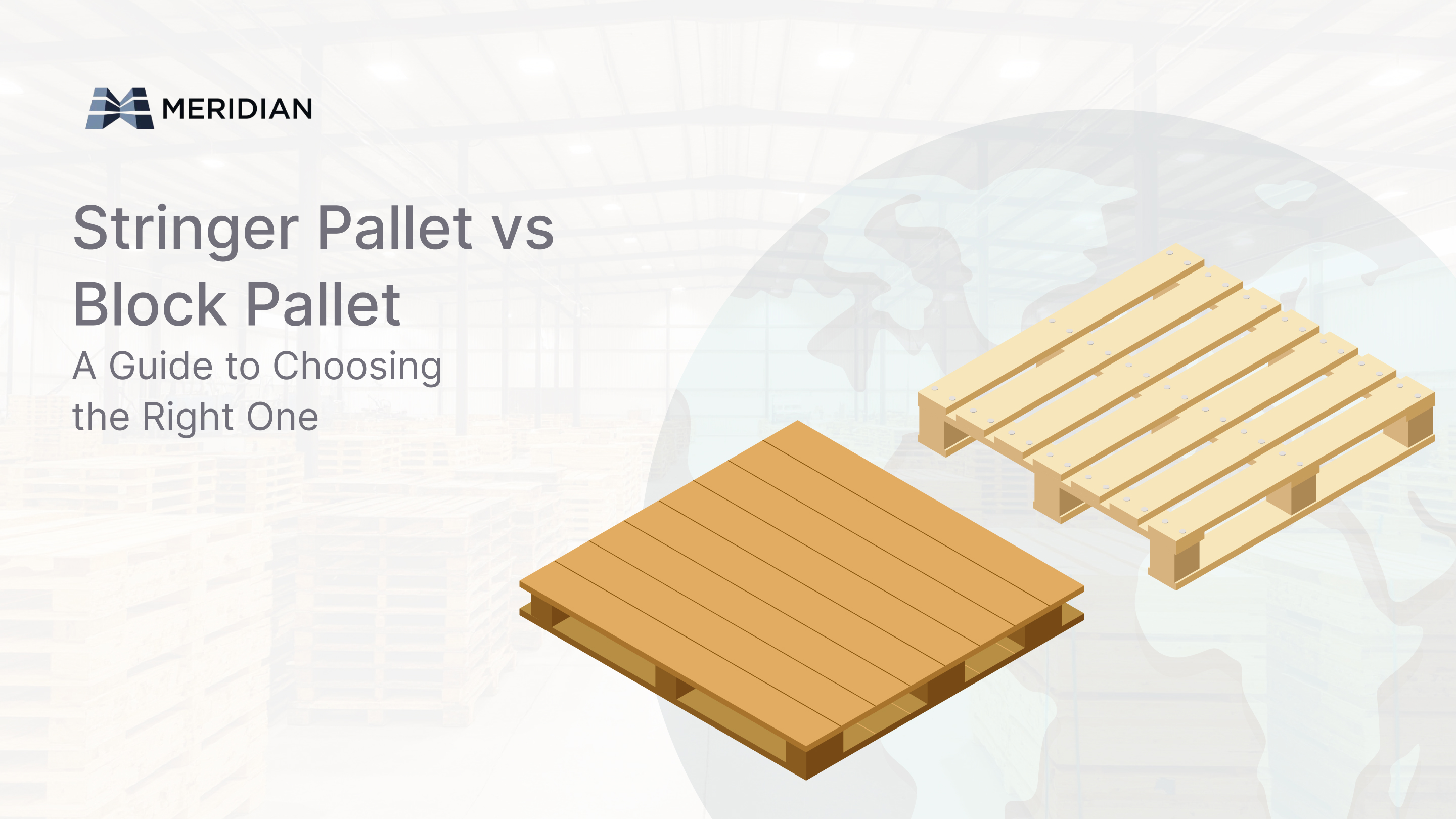
In this guide, we break down the structural and functional differences between the stringer pallet and the block pallet. You will gain a financial framework for comparing them and a step-by-step selection process to align your pallet choice with your storage and handling needs.
At a Glance
Block pallets offer true 4-way entry for maximum handling speed; stringer pallets often have limited 2-way or partial 4-way access.
Stringer pallets are cheaper upfront but require more frequent repairs. Block pallets cost more initially but survive significantly more trips (20+ cycles).
Stringer pallets are typically lighter. Switching to heavy block pallets without analysis can unintentionally spike your annual freight spend.
Automated storage systems (AS/RS) generally require the consistent dimensions and bottom-deck coverage of block pallets to prevent jams.
Block pallets utilize a perimeter base that offers superior stability for heavy, stacked loads compared to the linear support of stringers.
Stop looking at the unit price. Calculate TCO by factoring in lifespan, repair frequency, and disposal costs to find the true value.
What is a Stringer Pallet
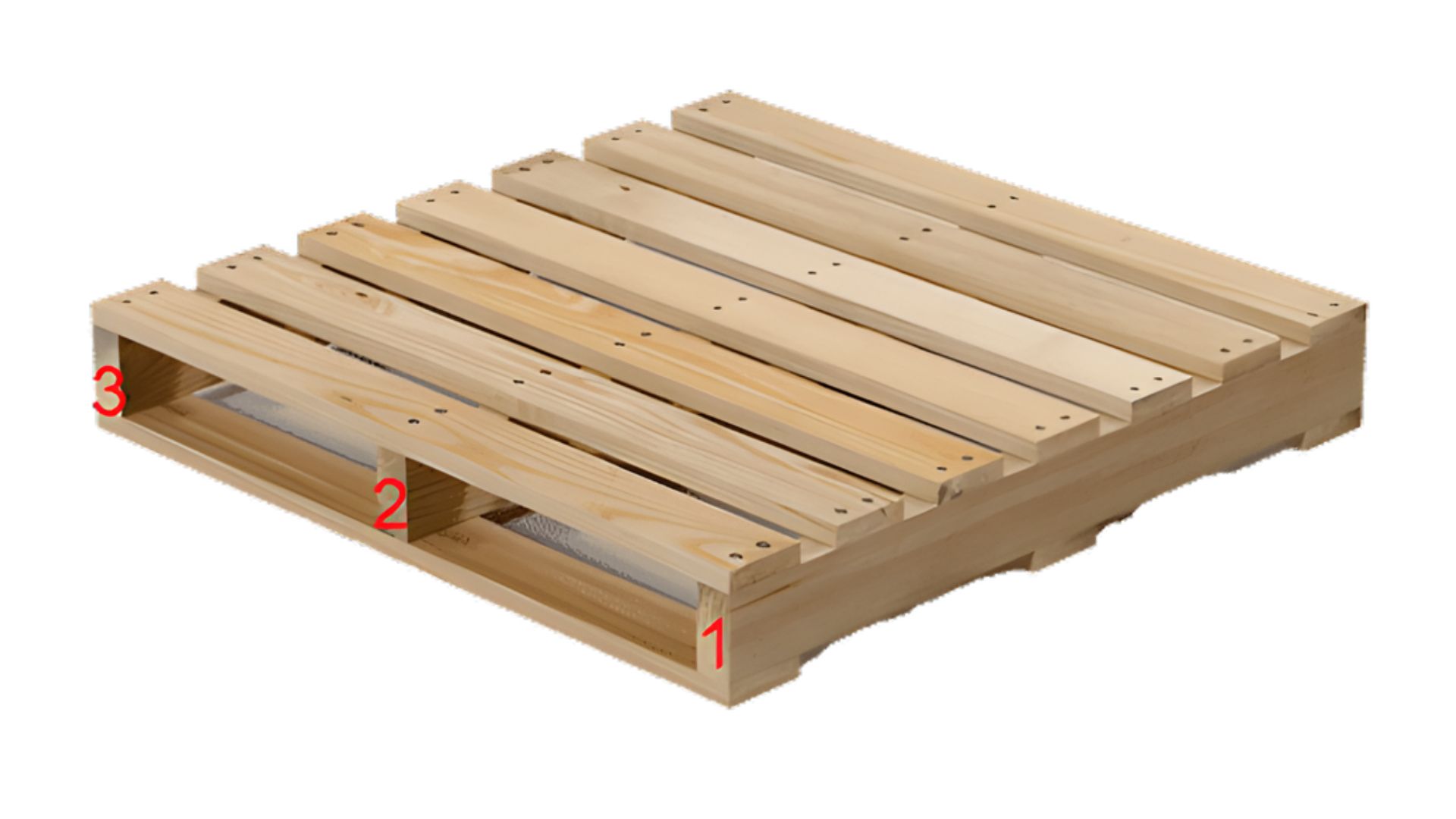
A stringer pallet uses three (or more) parallel pieces of timber, called stringers, to support the top deck boards. These stringers run the length of the pallet and serve as the primary load-bearing structure.
It is the most common pallet design used in North American distribution.
Benefits:
Lower Initial Purchase Cost: Simple construction and less lumber volume make these significantly cheaper to buy than block pallets.
Lighter Weight for Reduced Freight Spend: The design uses less material, reducing the gross weight of shipments and saving on fuel or LTL charges.
Simpler Repair Process: Adding a companion stringer (a "plug") next to a damaged one is a fast, low-cost repair method that extends the pallet's life.
While stringer pallets offer economic benefits, high-velocity supply chains often require the structural advantages of a block design.
What is a Block Pallet
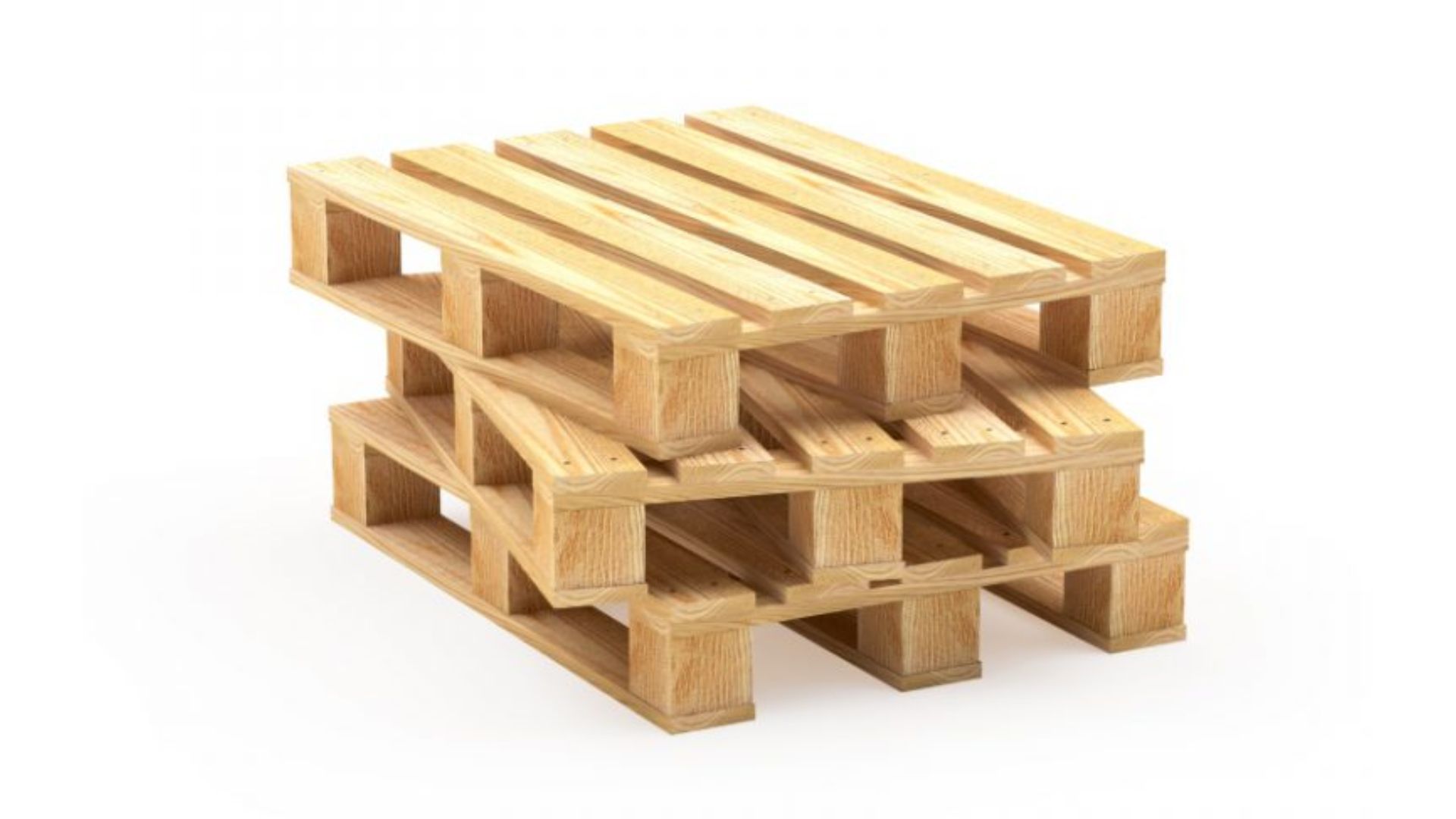
A block pallet utilizes solid wood or composite blocks placed in the four corners and the center of each side to support the unit load. Between the top and bottom decks, these blocks create a sturdy, pillar-like support system.
This design is the global standard for rental pools and European trade (EPAL).
Benefits:
Superior Strength and Load Stability: The block design distributes weight evenly across the perimeter and center, handling heavier static and dynamic loads.
True Four-Way Forklift Entry: Operators can access the pallet from any side without obstruction, improving loading speed and reducing handling damage.
Longer Lifespan and Higher Reusability: Built with more lumber and robust fasteners, block pallets withstand rough handling and last for significantly more trips than stringers.
Definitions are useful, but procurement decisions require a direct, feature-by-feature comparison of these two assets.
8 Key Differences Between Stringer and Block Pallets
Comparing these pallets requires looking beyond the wood. You must evaluate how the design impacts your warehouse flow, shipping budget, and long-term asset management.
Here are the critical operational differences:
Construction Method
Stringer Pallet: Built using 2x4s (stringers) sandwiched between top and bottom deck boards. The stringers can be notched to allow partial side entry, but this weakens the board.
Block Pallet: Constructed with individual blocks (typically 9) connected by stringer boards and deck boards. This creates a full perimeter base and a mat-like top deck.
Forklift Entry
Stringer Pallet: Primarily 2-way entry (front and back). If notched, they allow 4-way entry, but the side entry is often too narrow for standard pallet jacks, slowing down floor operations.
Block Pallet: True 4-way entry. Forklifts and pallet jacks can access the pallet from all four sides with equal ease, maximizing efficiency in tight loading docks and trucks.
Strength and Durability
Stringer Pallet: Prone to "stringer failure," where the main support board cracks under twisting force. They are generally rated for lighter loads and fewer supply chain cycles.
Block Pallet: The blocks provide exceptional resistance to crushing and twisting. They maintain structural integrity even under heavy, double-stacked loads in transit.
Weight and Hidden Cost on Freight
Block pallets are heavier due to increased lumber volume. Procurement must calculate if the durability justifies the extra shipping weight.
Annual Freight Cost Impact = (Pallet Weight Difference) x (Number of Shipments) x (Freight Rate per lb/km)
Example: If a block pallet is 15 lbs heavier, and you ship 10,000 loads a year at a marginal rate of $0.02/lb, you add $3,000 in pure freight cost.
Material Usage and Sustainability Considerations
Stringer Pallet: Uses less raw timber per unit. However, the shorter lifespan means you may consume more pallets over a 5-year period.
Block Pallet: Requires more lumber upfront. However, their longevity makes them a more sustainable choice for closed-loop systems where assets are reused dozens of times.
Cost Analysis
Financial evaluation must move from unit price to Total Cost of Ownership (TCO).
TCO = Purchase Price + (Repair Cost x Frequency) - Resale Value
Metric | Stringer Pallet (Grade A) | Block Pallet |
Initial Unit Price | Low | High |
Lifespan (Trips) | Short (3 - 5 trips) | Long (15 - 20+ trips) |
Repair Cost | Low (Plugs are cheap) | High (Block replacement is labor intensive) |
Resale Value | Moderate | High (Desirable for rental pools) |
Ready to quantify your TCO? Request a complimentary spend-analysis baseline from our expert team.
Repair and Maintenance
Stringer Pallet: Easy to repair. A cracked stringer is reinforced with a secondary piece of wood. It is functional but not pretty.
Block Pallet: Difficult to repair. Replacing a damaged block often requires dismantling a significant portion of the pallet, making repairs more expensive.
Common usage and availability
Stringer Pallet: Ubiquitous in the US grocery and general manufacturing sectors. Highly available from thousands of local sawmills.
Block Pallet: The standard for rental pooling (CHEP/PECO) and big-box retail (Costco/Walmart). Availability is high but often tied to rental contracts or specialized manufacturers.
Even with data, procurement teams often fall into predictable traps that erode value.
Common Pitfalls in Pallet Selection and How to Avoid Them
Switching pallet specs carries risk. Ignoring the operational realities of your warehouse or your customer's dock leads to hidden costs and damaged relationships.
Here are the most frequent errors:
Selecting Based Only on Unit Price
Buying the cheapest stringer pallet often results in higher breakage rates. This leads to production downtime and product damage that far exceeds the $5 savings on the pallet itself.
Solution: Set a minimum performance spec (e.g., GMA Grade A) rather than just a price target.
Overlooking Racking Requirements for Heavy Loads
Using a standard stringer pallet in an open-beam rack for heavy loads can cause the pallet to deflect or snap, leading to a safety incident.
Solution: Verify the "racking load" capacity of the pallet spec and ensure your rack beam spacing matches the pallet design.
Ignoring the Impact on Automated Systems (AS/RS, Conveyors)
Automated systems rely on photo-eyes and sensors. The variable bottom deck of a stringer pallet can trip sensors or get caught in rollers, shutting down the line.
Solution: Consult your automation integration team before buying. Most automation strictly requires block pallets or high-grade stringer pallets with specific bottom deck coverage.
To simplify the decision, use this quick-reference guide to match the pallet to the application.
When to Use Block vs. Stringer Pallets
Sometimes the decision is dictated by the constraints of the supply chain. Use these criteria to validate your final choice.
Here is your decision matrix:
Use Block Pallets When
Loads are heavy or require racking: You need maximum stiffness and load distribution.
Warehouse access must be four-way: You operate in tight spaces requiring versatile forklift access.
Goods are high-value or damage-sensitive: The cost of pallet failure is too high to risk on a weaker design.
Operations use automated handling systems: You need dimensional consistency to prevent system errors.
Use Stringer Pallets When
Shipping is cost-sensitive and one-way: You will not recover the asset, so the lowest unit cost is the priority.
Loads are stable and under 1,500 lbs: The product does not stress the structural limits of the wood.
Handling flow is predictable and two-way: Your forklifts have ample room to maneuver to the front or back of the pallet.
Operations use a controlled, closed-loop system: You can repair and reuse the pallets internally without high replacement costs.
Selecting the spec is step one; finding a reliable partner to supply it at scale is step two.
Streamlining Your Pallet Procurement Strategy with Meridian
Procurement managers often face the challenge of fragmented supply. Sourcing specific block or stringer pallets across multiple regions usually means dealing with dozens of small vendors, inconsistent quality standards, and unpredictable pricing. This lack of visibility makes optimizing your "pallet spend" nearly impossible.
Meridian eliminates this complexity by acting as your centralized sourcing partner. We leverage a network of over 2,400 vetted suppliers to deliver the exact pallet specification you need, whether stringer or block, to any facility in the US. Our digital platform gives you total control over your orders and spending data.
Network Reliability: Access a consistent supply for both high-volume stringer pallets and specialized block pallets nationwide.
Spend Optimization: We aggregate demand to negotiate better rates, regardless of the pallet type you choose.
Quality Assurance: Every supplier is vetted to ensure your Grade A stringers or custom block pallets meet strict operational standards.
Digital Visibility: Track shipments and invoices in one portal, eliminating the chaos of email threads and spreadsheets.
Meridian ensures you get the right pallet for the job, backed by a supply chain that delivers on time, every time.
Stringer vs Block Pallet: Final Verdict
The choice between a stringer pallet vs a block pallet is not just about wood; it is about aligning your packaging strategy with your operational reality. Stringer pallets offer cost efficiency for one-way shipping, while block pallets provide the durability and access required for high-velocity, automated environments.
By analyzing your load profile, calculating the total cost of ownership, and piloting your choice, you can turn a simple purchasing decision into a source of supply chain efficiency.
Meridian provides the data, expertise, and network to support that decision. Whether you need to source durable block pallets for automation or cost-effective stringers for shipping, we deliver the reliability you need.
Speak to our sourcing team for a complementary spend analysis.
FAQs
Q. Which pallet is better for export, stringer or block?
Block pallets are generally preferred for export because their 4-way entry makes them compatible with handling equipment worldwide. However, both must be ISPM-15 heat-treated (HT) to comply with international regulations.
Q. Can a stringer pallet support the same weight as a block pallet?
Generally, no. A standard block pallet supports heavier static and dynamic loads due to its perimeter base. However, a custom-engineered heavy-duty stringer pallet can be built to match block pallet capacities if needed.
Q. Why are block pallets used in rental pools like CHEP?
Rental pools prioritize durability because they rent the same pallet hundreds of times. The robust construction of a block pallet survives far more cycles than a stringer pallet, making it the financially viable choice for pooling.
Q. Do block pallets weigh more than stringer pallets?
Yes, typically. A standard GMA stringer pallet weighs between 35-45 lbs, while a comparable block pallet can weigh 55-75 lbs, depending on the timber density. This affects freight costs.
Q. Can I repair a block pallet myself?
Yes, but it is difficult. Replacing a damaged block often involves disassembling the deck boards and stringer boards connected to it. Stringer pallets are much faster and cheaper to repair using plugs.