_____________________________________________________________________
Pallet shipping is often an overlooked cost, but it can significantly impact your business's bottom line. With so many factors influencing the final price, understanding how pallet shipping costs are calculated can seem overwhelming.
For those managing warehouses, distribution centers, or manufacturing plants, even minor inefficiencies in pallet shipping can add up. Small changes in how you approach shipping can lead to substantial savings in logistics expenses.
This guide breaks down the key factors affecting pallet shipping costs and provides actionable strategies to help you save money and ship smarter. From understanding pricing structures to exploring cost-saving tactics, this guide equips you with the knowledge needed to optimize pallet shipping for your business.
In a nutshell
Factors like weight, dimensions, distance, and service level determine pallet shipping costs.
LTL (Less Than Truckload) and FTL (Full Truckload) options impact costs based on shipment volume and urgency.
Custom pallets, heat-treated options, and special materials increase shipping costs due to compliance and handling.
Consolidating shipments and optimizing pallet size can significantly reduce costs.
Using technology to compare rates and negotiating volume discounts can help secure better pricing over time.
What Is Pallet Shipping?
Pallet shipping refers to the transportation of goods stacked and secured on pallets. Pallets are used to move bulk goods more efficiently, providing a stable base for handling and stacking while minimizing damage during transit.
This shipping method is widely used across industries such as manufacturing, retail, food & beverage, and logistics due to its cost-effectiveness and ease of handling.
Pallets come in various sizes, materials, and types, including:
Standard pallets (e.g., 48x40 GMA pallets)
Custom-sized pallets for specific needs
Recycled and heat-treated pallets for compliance with safety regulations, especially for international shipping
The choice of pallet type can directly influence your shipping costs, as each option has its own impact on both pricing and logistics efficiency.
5 Cost Drivers That Determine Your Pallet Shipping Price
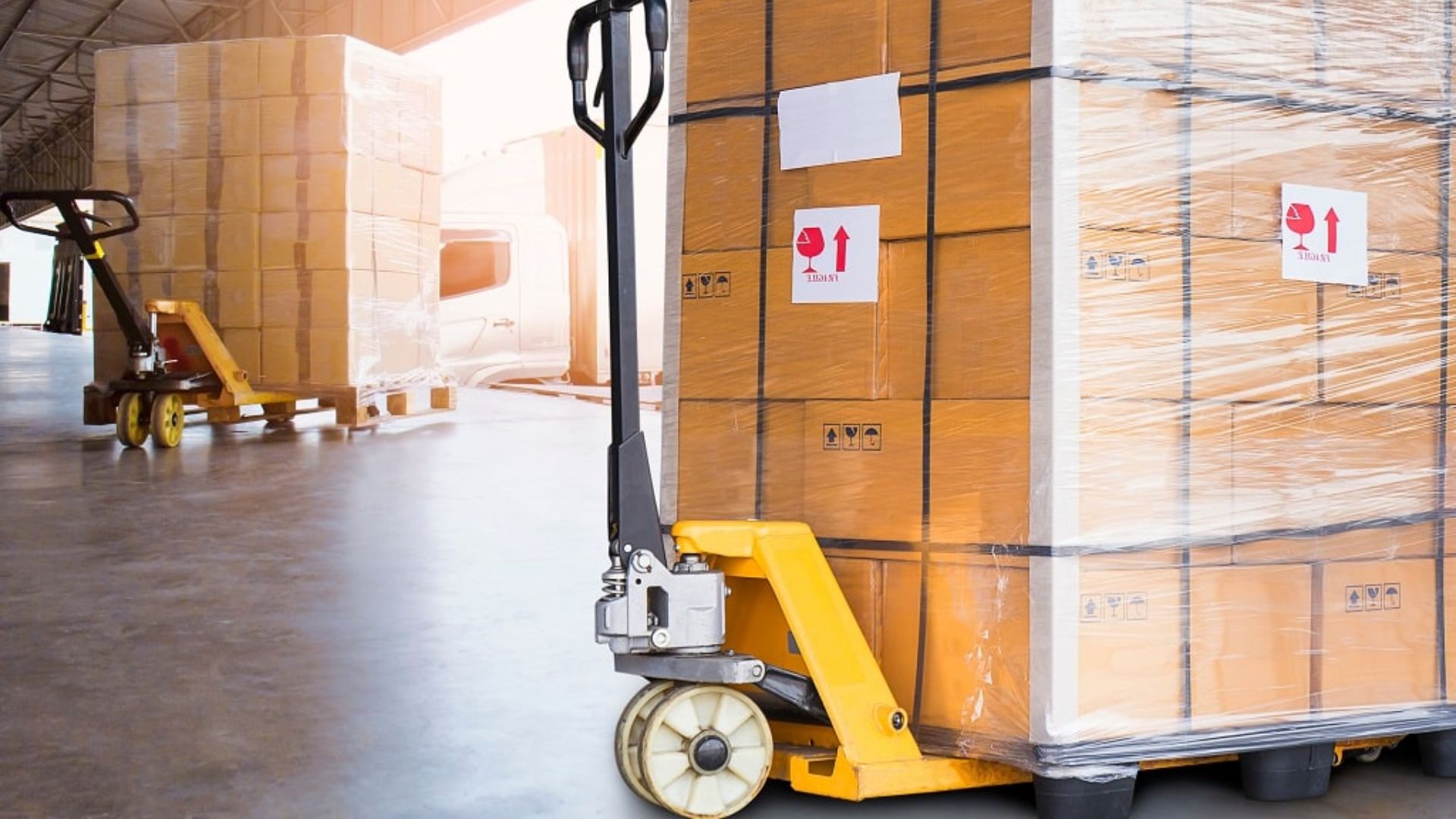
Understanding the factors that determine pallet shipping costs is the first step to optimizing your logistics expenses.
Here are the key variables that influence pricing:
Weight & Dimensions
Larger and heavier pallets result in higher costs.
For example, a full pallet of machinery parts will cost more than a pallet of small electronics, even if both are the same size.
Freight Class & Cargo Type
Freight class determines the cost based on cargo density and handling.
A pallet of low-density materials like foam will have a higher freight class and cost more than a dense product like steel parts, which takes up less space.
Distance
The further the shipment travels, the more expensive it will be.
A pallet moving from Chicago to Los Angeles will naturally cost more than one traveling between local hubs due to fuel and transit time.
Service Level & Speed
Expedited services can significantly increase costs.
Same-day or expedited services for urgent shipments, such as medical supplies or perishable goods, will be priced much higher than standard freight options.
Pallet Type & Material
Custom or specialty pallets add to the cost.
For example, heat-treated pallets for international shipping or food-grade pallets for the beverage industry typically cost more due to compliance and material specifications.
These factors all play a role in determining your total pallet shipping costs. Understanding them enables better planning and cost control for your shipments.
Looking for a way to manage these complexities and cut costs?
Meridian offers a technology-driven approach to streamline pallet procurement, helping you access the best pricing and optimize your supply chain.
Typical Cost Ranges & What to Expect
The cost of pallet shipping can vary widely based on the factors discussed above, but here are some general guidelines:
Domestic Shipments: For standard-sized pallets (48x40 GMA), costs for LTL shipping within the U.S. typically range between $100–$500, depending on weight, distance, and service level.
International Shipments: Shipping costs for international pallet deliveries can start around $500 and increase based on destination, customs fees, and handling requirements.
Note: These cost ranges are general estimates. Actual prices may differ based on the carrier, shipping conditions, and specific requirements.
Let's look into how you can optimize costs by choosing the right shipping method for your needs.
Flat‑Rate vs Custom Quotes: What Works When
Choosing between flat-rate pricing and custom quotes is a critical decision that impacts your pallet shipping costs, depending on your specific needs.
Flat-Rate Pricing
Best for: Consistent, standard-sized shipments with predictable weight and dimensions.
Advantages:
Predictable pricing for budgeting
Simplicity and ease of use for regular shipments
Ideal for high-volume shippers with stable needs
Example: A retailer shipping uniform boxes of packaged goods within the same region can rely on flat-rate pricing to control costs.
Custom Quotes
Best for: Non-standard shipments, oversized items, or international routes.
Advantages:
Personalized pricing based on specific shipment needs
Flexibility for oversized, fragile, or irregularly shaped pallets
Accounts for international shipping factors like customs and special handling
Example: A manufacturer shipping heavy machinery overseas benefits from a custom quote that includes handling, space requirements, and international logistics.
Understanding how to optimize these shipping methods is crucial for managing your logistics spend, especially when you start considering the factors that affect typical shipping costs.
5 Proven Strategies to Cut Your Pallet Shipping Costs
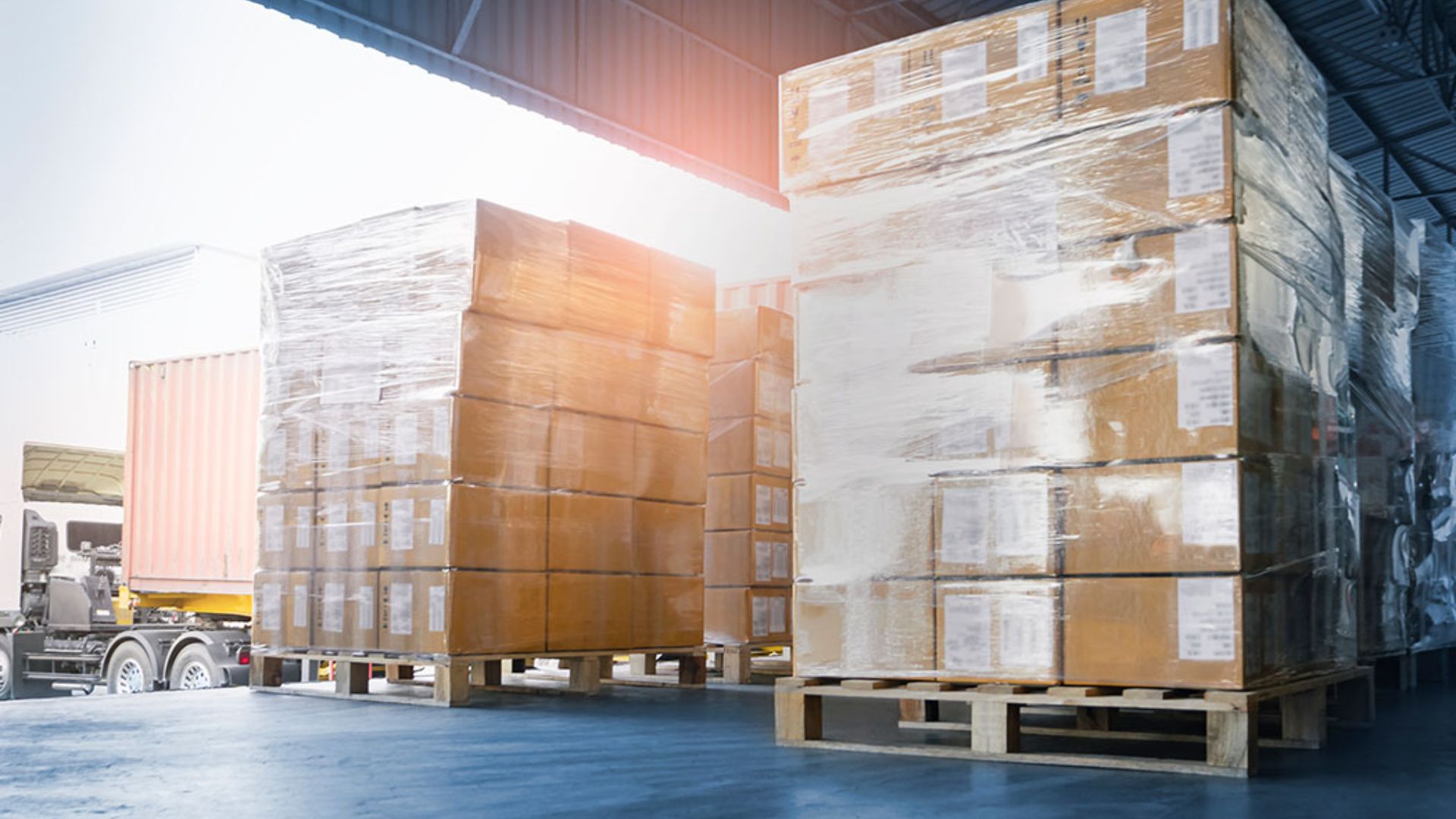
To reduce pallet shipping costs without sacrificing quality, here are five advanced strategies that directly impact your logistics spend:
Consolidate Shipments Across Locations
Consolidating smaller shipments into fewer, larger ones can drastically reduce costs per pallet.
Pro Tip: Consolidate shipments from multiple warehouses or facilities into a single, larger load. Align delivery schedules to maximize truck capacity, ensuring you pay only for the space you need.
Impact: Reduces LTL (Less Than Truckload) fees and maximizes truckload utilization, resulting in significant savings.
Optimize Pallet Size & Weight
Over-sized or heavy pallets trigger additional charges due to dimensional weight pricing.
Pro Tip: Regularly audit pallet specifications to ensure they are the most efficient for your products. Use the smallest pallet size that fits the cargo while maintaining safety and stability.
Impact: Reduces both weight-based and dimensional charges, which can significantly lower overall shipping costs.
Utilize Technology for Real-Time Rate Comparison
Carrier rates can fluctuate depending on service levels, volume, and current demand.
Pro Tip: Use platforms like Meridian's RFQ automation to instantly compare shipping rates from multiple carriers, ensuring you get the best rate based on current market conditions.
Impact: Helps secure competitive pricing and ensures transparency into supplier performance, leading to smarter decision-making and cost optimization.
Negotiate Long-Term Contracts for Volume Discounts
High-volume shipments can result in better rates with carriers.
Pro Tip: If your company regularly ships pallets, negotiate long-term contracts with carriers to lock in better rates, especially for high-frequency shipments. Request volume-based discounts to secure long-term savings.
Impact: Guarantees predictable pricing and strengthens relationships with key carriers, ensuring reliability and cost savings.
Implement Pallet Optimization Audits
Inefficiencies in palletization, such as incorrect pallet types, overpacking, or inefficient load configurations, increase shipping costs.
Pro Tip: Conduct regular pallet optimization audits to assess load configurations and packaging materials. For example, Meridian's Packaging/Procurement Optimization Audits can help you achieve 5-25% cost reduction in 90 days.
Impact: Reduces inefficiencies in palletization, minimizes wasted space, and lowers freight costs by optimizing how goods are packed and shipped.
These five strategies provide a targeted approach to reducing pallet shipping costs while improving operational efficiency.
Quick Checklist: How to Prepare for a Pallet Shipping Quote
Exact Weight & Dimensions
Measure the length, width, and height of each pallet and the overall shipment.
Provide both gross weight (including packaging) and dimensional weight.
Example: A 48x40 GMA pallet with varying weight depending on cargo density.
Number of Pallets
Clearly state the total number of pallets being shipped.
More pallets might qualify for volume discounts, especially on larger shipments.
Pallet Type & Material
Specify the type of pallet: standard 48x40 GMA, custom-sized pallets, or heat-treated/food-grade pallets.
Different pallet types, such as recycled or specialized material pallets, have varying pricing.
Cargo Classification
Determine whether the cargo is dense (e.g., steel) or lightweight (e.g., foam).
Freight class impacts cost; correct classification avoids penalties and mispricing.
Shipping Method
Define the shipping method: Less Than Truckload (LTL) or Full Truckload (FTL).
Indicate if expedited delivery is needed or if standard timelines will work.
Destination & Delivery Type
Provide the shipping destination (zip code or international shipping details).
International shipments may require customs clearance, import duties, and compliance with regulations.
By preparing these specifics in advance, you can streamline the quoting process, leading to more accurate and competitive rates.
Why Choose Meridian to Optimize Your Pallet Shipping Costs?
Meridian provides a comprehensive, technology-driven approach to pallet procurement, helping businesses reduce costs and improve supply chain efficiency.
With a network of over 2,400 trusted suppliers, Meridian ensures competitive pricing, reliable service, and quick delivery across the U.S.
What Meridian Offers:
Automated RFQ Platform: Instantly compare pallet quotes from multiple suppliers to ensure the best pricing.
Order Management Portal: Track shipments, invoices, and deliveries in real-time, eliminating reliance on spreadsheets and emails.
Procurement Insights Dashboard: Gain actionable insights into spending patterns, supplier performance, and potential cost-saving opportunities.
Pallet Optimization Audits: Identify inefficiencies in pallet types and packaging to reduce waste and improve load efficiency.
Nationwide Supplier Network: Access a wide variety of pallet types and materials, including standard, custom, recycled, and heat-treated pallets.
Explore the full range of pallets Meridian offers to see how they can help optimize your shipping and procurement strategy.
Wrapping Up
Pallet shipping costs depend on various factors, including size, weight, and service level. By understanding these variables and applying strategic solutions, businesses can reduce costs and improve logistics efficiency.
Meridian simplifies pallet procurement with a network of 2,400+ suppliers, automated tools, and actionable insights, helping businesses save on logistics and optimize their supply chain.
Request a spend analysis today to discover how Meridian can streamline your pallet shipping process and cut costs.
FAQ
How can I reduce pallet shipping costs for international shipments?
For international shipments, choose the correct pallet type and optimize space by consolidating shipments. This reduces overall freight costs and helps avoid additional customs fees and compliance costs.
What are the key differences between LTL and FTL shipping for pallets?
LTL (Less Than Truckload) is best for smaller shipments sharing truck space, while FTL (Full Truckload) is more cost-effective for large shipments using the entire truck. FTL is typically faster and more efficient for high-volume shipments.
Do recycled pallets affect shipping costs?
Recycled pallets are often more cost-effective than new ones but may require more maintenance. Their savings depend on the condition and suitability for your cargo type; poor-quality pallets may incur hidden costs.
What is the impact of freight class on pallet shipping?
Freight class determines the cost based on cargo density and handling requirements. Higher freight classes, typically for low-density or fragile items, lead to higher shipping costs due to increased space and handling needs.
How can I ensure I'm getting the best quote for pallet shipping?
To secure the best quote, compare rates from multiple carriers using automated platforms and ensure accurate measurements. Long-term agreements and volume discounts can also help secure better rates over time.