Supply chain leaders often view pallets as a simple consumable, ignoring the cascading costs of poor management. Fragmented procurement and inconsistent specifications create hidden friction that slows down throughput and inflates your total cost of ownership.
True optimization requires shifting focus from unit price to the total lifecycle of the asset. Improving your pallet logistics efficiency turns a cost center into a competitive advantage by stabilizing supply and maximizing load density.
In this guide, we outline a strategic framework to streamline your pallet operations. You will learn actionable strategies to standardize specs, optimize storage, and use data to drive procurement decisions.
An Overview
Reducing SKU variance aggregates buying power and simplifies warehouse automation handling.
Matching pallet dimensions to trailer width maximizes freight density and reduces shipping air.
Centralized digital dashboards reveal spend leakage and supplier performance issues that manual spreadsheets hide.
Aligning storage systems (Drive-In vs. Selective) with inventory velocity reduces honeycombing and dead space.
Procurement decisions must weigh repair rates, lifespan, and disposal costs, not just the initial purchase price.
Single-source localized buying creates risk; a national network ensures continuity during regional disruptions.
What is Pallet Logistics Efficiency?
Pallet logistics efficiency is the strategic alignment of procurement, storage, and transportation to minimize the Total Cost of Ownership (TCO) of pallet assets. It goes beyond simple purchasing to include optimizing load density in trailers, maximizing cubic storage in warehouses.
It also streamlines the flow of goods through standardized specifications. The goal is to move maximum product with minimum waste, labor, and downtime.
Defining the concept is the first step; understanding its financial implications determines its priority.
Importance of Efficient Pallet Logistics
Inefficiency is not just an operational annoyance; it is a financial drain. Optimizing how pallets move through your system safeguards margins and protects against volatility.
Here is why this efficiency matters:
Direct Impact on Gross Margin
Reducing freight waste and breakage costs directly improves the profitability of every unit shipped. Efficient pallets mean less dead weight and fewer damaged goods, protecting your bottom line.
Enables Scalability and Predictability
Standardized processes allow you to add new distribution centers without reinventing your material handling strategy. A consistent pallet strategy ensures that what works in one facility can be immediately replicated in another.
Reduces Operational and Compliance Risk
Consistent pallet quality prevents automation jams and ensures adherence to safety and ISPM-15 regulations. Reliable logistics removes the risk of production stoppages due to pallet shortages.
Protecting margins and enabling scalability are strategic priorities. Aligning your pallet program requires a data-backed foundation. We help build that through a detailed procurement and logistics audit. Request an analysis to develop your efficiency roadmap.
To achieve these benefits, you must address the three foundational areas where pallets impact your supply chain.
The 3 Pillars of Pallet Logistics Efficiency
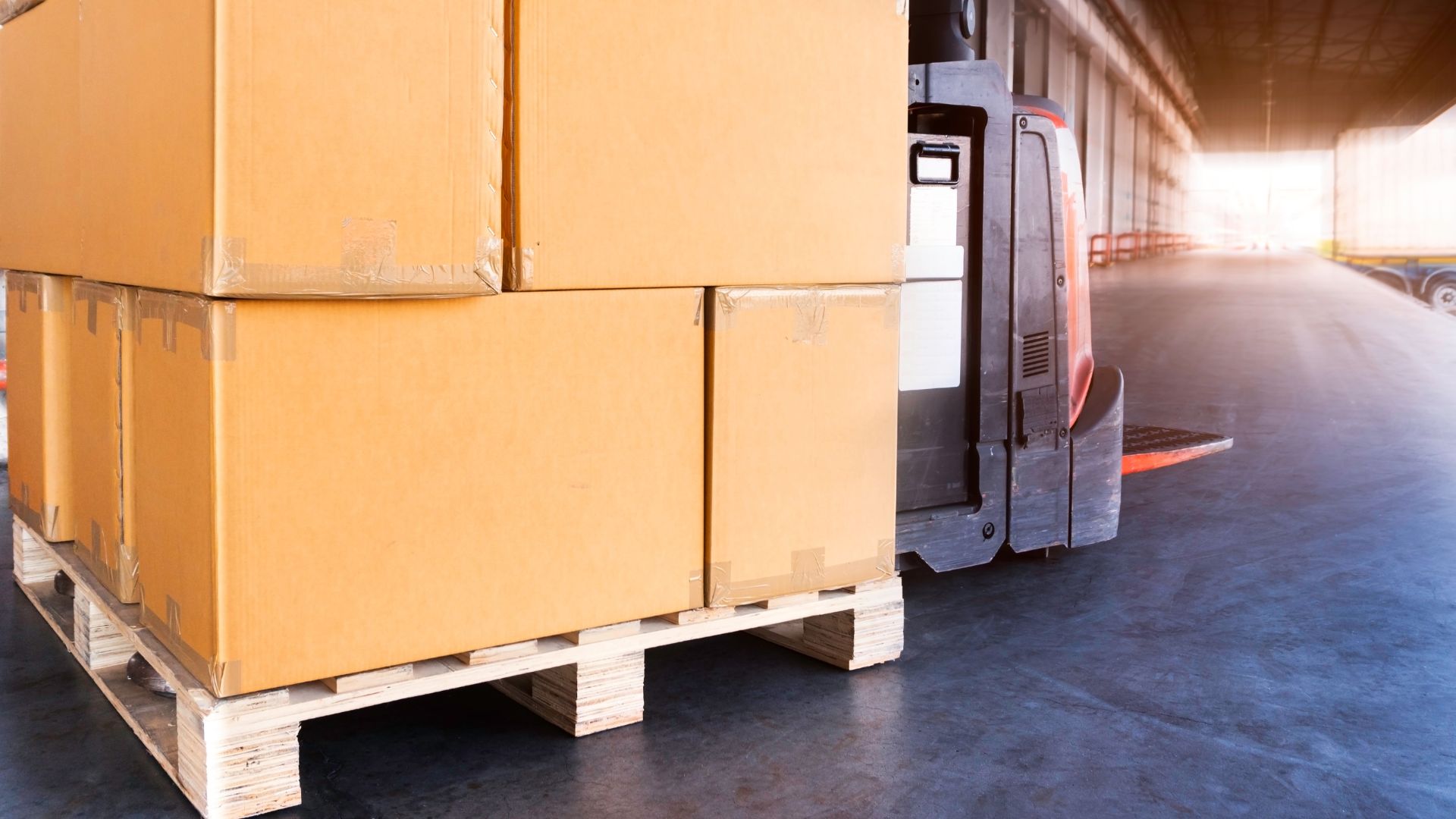
You cannot optimize what you view in isolation. Efficiency requires a holistic approach that connects how you buy, store, and ship your pallets.
Here are the three pillars of a good strategy:
Procurement & Specification Efficiency
This involves sourcing the right pallet grade for the application at the best total value, not just the lowest price. It requires aggregating volume to negotiate better rates and ensuring consistent quality from suppliers.
Warehouse & Storage Efficiency
This focuses on maximizing vertical space utilization and ensuring pallet compatibility with racking systems. It involves selecting the right storage density (e.g., flow racking vs. floor stacking) to match inventory turnover rates.
Transportation & Flow Efficiency
This prioritizes maximizing trailer cube utilization to reduce freight spend. It ensures pallets are dimensionally suited for standard trailers and that receiving docks can process inbound shipments without manual intervention.
With the pillars established, let’s look at specific, actionable tactics you can implement today.
7 Best Strategies to Improve Pallet Logistics Efficiency
Improving operations requires tactical shifts in how you manage assets. Implementing these strategies will tighten control over your indirect spend.
Here are the best strategies for optimization:
Standardize Pallet Specifications Across the Network
Limit the number of pallet variations used across your facilities. Move to a standard GMA 48x40 wherever possible to simplify operations.
Impact:
Aggregates volume for better pricing negotiation.
Reduces automation errors caused by variance.
Simplifies inventory management and transfers.
Implement a Data-Driven Pallet Procurement Process
Stop relying on local relationships and spot buying. Use digital tools to track spend, supplier performance, and market rates centrally.
Impact:
Exposes regional price variances.
Tracks suppliers' on-time performance accurately.
Enables predictive budgeting based on historical data.
Conduct a Packaging and Pallet Optimization Audit
Analyze your unit load to see if your current pallet is over-engineered or causing damage. Adjust specs to match the actual load requirements.
Impact:
Identifies over-engineered specs to cut costs.
Reduces material waste and disposal fees.
Lowers unit cost without sacrificing safety.
Right-Size Your Storage Methods and Racking Layout
Align your racking infrastructure with your pallet flow. Use high-density racking for low-SKU, high-volume goods and selective racking for high-mix inventory.
Impact:
Increases storage density per square foot.
Improves pick speeds and throughput.
Reduces forklift travel time and labor costs.
Establish Clear Pallet Handling and Tracking Protocols
Train staff on proper forklift handling to reduce damage. Implement tracking for returnable assets to prevent shrinkage.
Impact:
Reduces product damage during handling.
Extends the usable lifespan of the pallet.
Improves worker safety on the floor.
Optimize Trailer Loading for Maximum Cube Utilization
Ensure your pallet dimensions and stacking patterns fit standard trailer widths (96" or 102"). Eliminate "pinwheeling" or gaps that ship air.
Impact:
Lowers freight cost per unit shipped.
Reduces the total number of trips required.
Minimizes product shifting and transit damage.
Leverage Technology for Visibility and Decision-Making
Use platforms that automate RFQs and consolidate order data. Real-time visibility allows for faster reaction to supply disruptions.
Impact:
Removes manual administrative work.
Provides real-time visibility into order status.
Speeds up RFQ cycles for faster sourcing.
Move from strategy to execution with expert support. Contact us to get a spend analysis and review of your procurement process. Our team will help you benchmark current performance and build a case for standardization and savings.
Even with strong strategies, specific operational hurdles often impede progress.
Common Challenges in Pallet Logistics
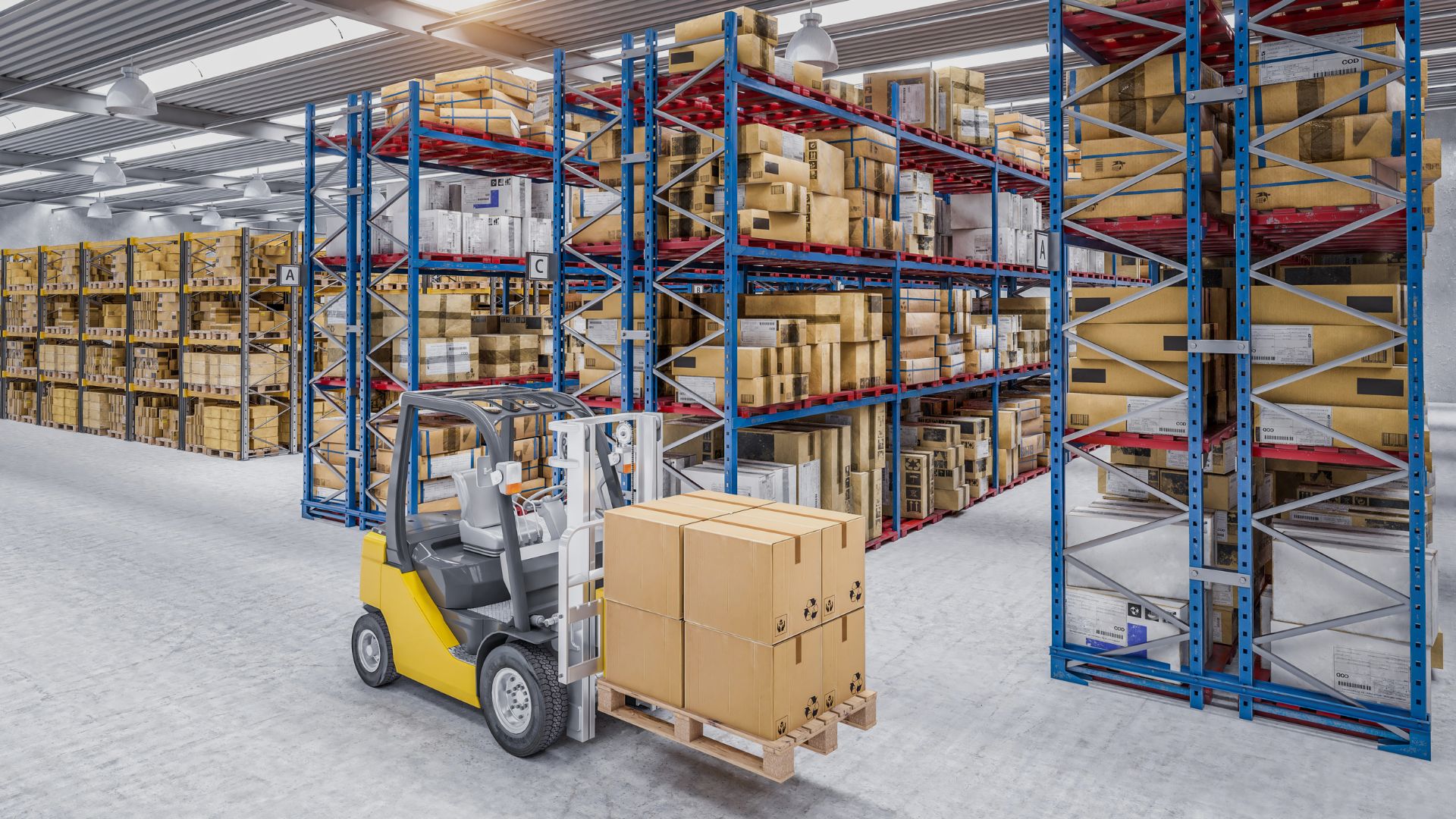
Operations managers face friction when trying to implement these efficiencies. Identifying these obstacles early helps you plan effective countermeasures.
Here are common challenges and their solutions:
The Cost of Pallet Proliferation
Using too many custom sizes creates storage inefficiencies and prevents bulk purchasing. It forces warehouses to maintain separate storage zones for different pallet footprints.
Solution: Conduct a SKU rationalization audit to eliminate non-standard sizes and migrate to a universal footprint like the 48x40 GMA.
Inefficient Storage Layouts
Warehouses often suffer from "honeycombing," where deep storage lanes stay empty because inventory cannot be rotated efficiently. This wastes valuable cubic footage.
Solution: Re-evaluate racking types based on SKU velocity; move fast movers to pallet flow racks and slow movers to push-back racks.
Poor Load Planning Costs
Failure to plan pallet stacking patterns results in "cubing out" a trailer before "weighing out," leaving billable space unused.
Solution: Use load planning software to model pallet placement and ensure stackability matches trailer dimensions perfectly.
Overcoming these challenges requires a partner with the network and technology to support your goals.
Transforming Efficiency from Concept to Measurable Outcome with Meridian
Supply chain managers often struggle with the complexity of managing fragmented pallet suppliers across a national footprint. This lack of centralization leads to inconsistent pricing, variable quality, and zero visibility into total spend. You cannot optimize what you cannot see or control.
Meridian acts as your strategic partner to centralize and optimize your entire pallet supply chain. We combine a vast supplier network with advanced digital tools to give you control and consistency.
National Network: 2,400+ vetted suppliers ensure reliable local delivery anywhere in the US.
Spend Intelligence: Our dashboard visualizes cost data to highlight savings opportunities.
Automated Procurement: Instantly quote and track orders without manual email chains.
Expert Audits: We identify spec improvements to reduce waste and cost.
Meridian simplifies the chaos of indirect procurement so you can focus on core operations.
Final Thoughts
Optimizing pallet logistics efficiency is a proven method to unlock capital and improve operational resilience. By standardizing specifications, leveraging data, and focusing on total cost, you turn a commodity expense into a strategic asset.
Meridian provides the infrastructure and expertise to execute this transformation. We ensure reliable supply and actionable insights to keep your supply chain moving efficiently.
FAQs
Q. How do I calculate pallet storage density?
Measure your total available floor space and divide it by the number of pallet positions available. High-density systems like drive-in racking significantly increase this ratio compared to floor stacking.
Q. What is the impact of pallet weight on logistics costs?
Heavier pallets increase the tare weight of a shipment. In weight-limited transport, this reduces the amount of product you can ship per truck, increasing your freight cost per unit.
Q. How does standardizing pallets improve efficiency?
Standardization allows for consistent handling across all equipment, reduces the need for specialized storage zones, and aggregates buying power for lower unit costs.
Q. What is the role of technology in pallet logistics?
Technology automates manual tasks like RFQs and order tracking. It provides data visibility into spend and supplier performance, enabling data-driven decisions rather than reactive buying.
Q. How often should I audit my pallet specifications?
You should audit specs annually or whenever there is a significant change in product packaging or supply chain routes. This ensures your pallets remain optimized for your current load profile.
Q. Can better pallets reduce freight costs?
Yes. Optimizing pallet design to reduce weight or improve stackability allows you to fit more product into each trailer. This maximizes cube utilization and reduces the total number of shipments needed.