Rising pallet costs, inconsistent supply quality, and the constant pressure to keep inventory moving often leave operations teams juggling problems that never seem to end. Many enterprise facilities also struggle with pallet shortages, storage limitations, and the inefficiencies that come from managing repairs, retrieval, and tracking on their own. Pallet pooling gives you a way to offload that burden while gaining predictable availability, better durability, and clearer control over supply chain flow. Understanding how pooling works helps you evaluate whether this model can reduce waste, stabilize your logistics network, and support smarter warehousing across every location you manage.
Key Takeaways
Pallet pooling replaces ownership with shared, ready-to-use pallets that remove the cost of buying, repairing, and storing units.
A pooling cycle moves pallets through delivery, use, return, inspection, and redistribution for steady availability across locations.
Large enterprises rely on pooling for predictable supply, lower capital spend, consistent pallet quality, and smoother warehouse flow.
Wood and plastic pooled pallets each serve different needs, while real-world use cases show measurable gains in efficiency, safety, and cost control.
What Does Pallet Pooling Mean?
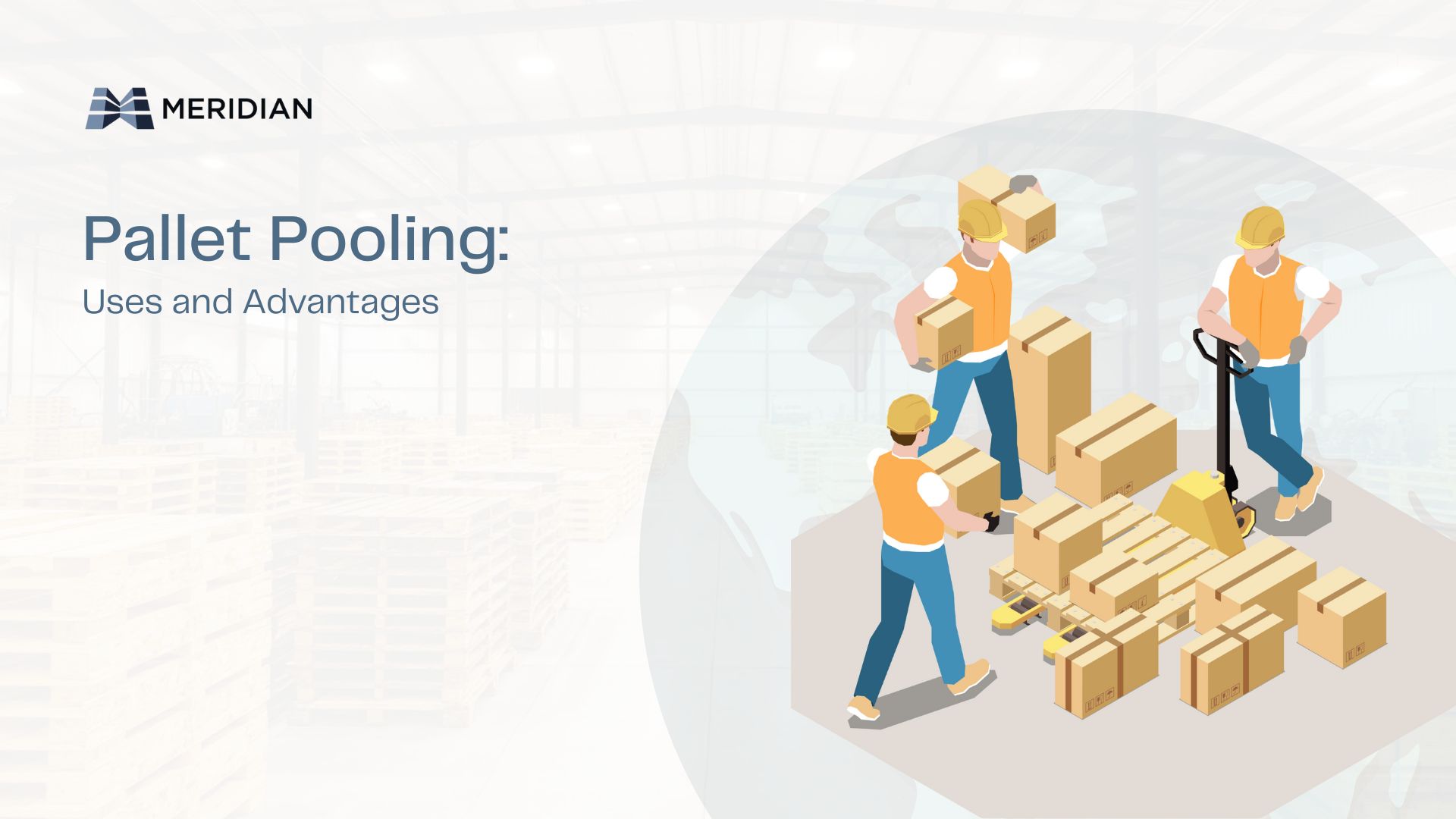
Pallet pooling refers to a shared network where pooled pallets circulate between businesses, so you do not have to buy, store, repair, or manage pallets on your own. The model works like a rental service in which a pooling provider maintains and redistributes pallets across different supply chain routes. This setup gives you consistent pallet quality while removing the cost and complexity of ownership. Understanding this meaning helps you see how pooling pallets simplifies operations across multi-location networks.
To decide whether pooling fits your operations, you first need clarity on the different pallet pooling models available today.
Different Types of Pallet Pooling
Different pallet pooling models exist based on how pallets circulate and how responsibility is distributed across users, providers, and logistics partners. Here is a clear breakdown of the major pallet pooling formats used across modern supply chains:
Closed-Loop Pooling: Pallets circulate within a fixed group of facilities or partners, maintaining tighter control and predictable movement inside a defined network.
Open-Loop Pooling: Pallets move freely across different customers and routes, supporting broad regional or national distribution without return-path coordination.
Dedicated Pooling: A reserved pallet pool allocated exclusively to one enterprise to guarantee availability for high-volume or mission-critical flow.
Hybrid Pooling: Combines closed and open-loop characteristics, giving flexibility to switch pallet routing based on seasonality or demand shifts.
With the pooling models understood, you can now explore how the full pooling cycle works within daily warehouse operations.
How Does Pallet Pooling Work?
Pallet pooling works by giving you access to pallets that are maintained, inspected, and redistributed by a centralized service provider. Here are the core steps involved in the pallet pooling system:
Request and Delivery: A pallet pooling company receives your order and dispatches pooled pallets to the facility that needs them. The provider handles availability planning so operations do not slow down during peak demand periods.
Use in Warehousing and Transport: Pooled pallets move through your warehouse, production areas, and transportation routes just like owned pallets. Their consistency in size and quality reduces product damage and improves equipment compatibility.
Return After Shipment: Once pallets reach the receiving destination, they enter the return cycle instead of becoming your responsibility. This eliminates the storage and retrieval issues that usually drain internal resources.
Inspection and Maintenance: Returned pallets go through inspection, repair, and cleaning to ensure they meet performance standards. This keeps pooled pallets uniform and ready for new cycles without extra work on your end.
Re-deployment into the Network: Refreshed pallets are circulated to the next customer based on demand and route availability. The continuous rotation keeps the pallet pool efficient and cost-effective for large-scale operations.
After seeing how the cycle works from start to finish, it becomes clearer why large enterprises depend on this model to stabilize their supply chains.
Why Large Enterprises Use Pallet Pooling?
Large enterprises rely on pallet pooling because it removes a significant amount of hidden operational cost while improving supply chain continuity.
Here are the main reasons this model is ideal for mid to large US networks:
Lower Capital Burden: Eliminates the need to purchase or replace pallets in bulk, which frees up capital for higher-priority inventory or equipment. Prevents unnecessary spending on repairs, storage, and loss recovery.
Predictable Pallet Availability: Ensures pooled pallets remain accessible across all your locations, even during demand spikes or supplier disruptions. Helps multi-site operations maintain flow without last-minute scrambling.
Reduced Warehouse Congestion: Removes the need to store pallets long term, creating more functional space for inventory and equipment. Reduces clutter that often slows down workforce productivity.
Better Quality and Safety: Provides consistent pallet quality that aligns with equipment standards, automation lines, and warehouse handling. Helps reduce product damage and workplace incidents.
Sustainability Improvements: Supports circular economy practices by keeping pallets in rotation longer and reducing wood waste. Helps enterprises meet internal sustainability goals without major operational changes.
With these advantages in place, the next question is what specific benefits pooled pallets bring to daily operations.
Key Benefits of Pallet Pooling
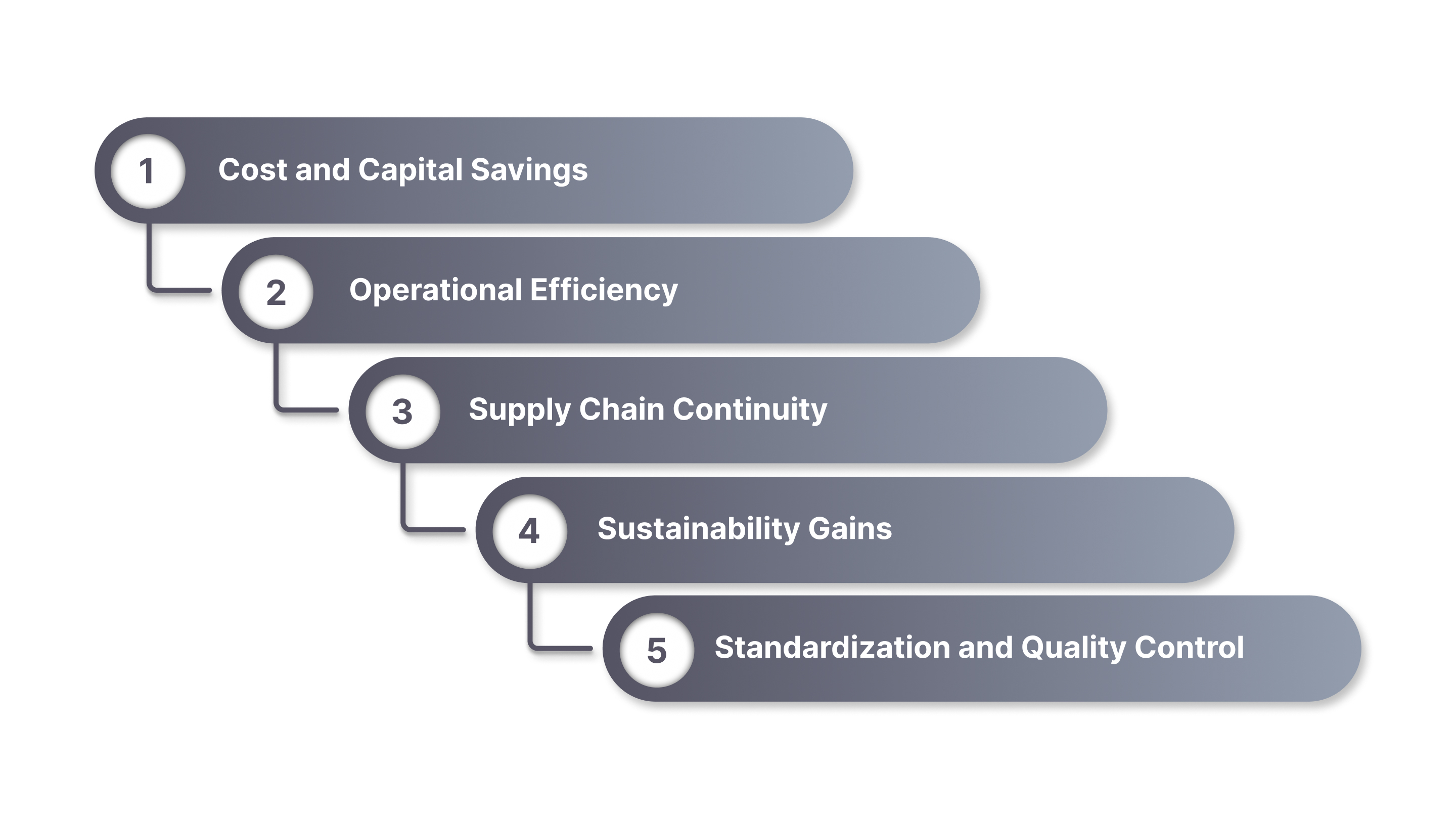
Pallet pooling offers financial, operational, and sustainability advantages that support enterprise-level warehousing.
Here are the most important pooled pallet benefits for modern supply chains:
Cost and Capital Savings
Pallet pooling services eliminate the upfront cost of buying pallets and the recurring cost of repairs, storage, and loss. This creates measurable reductions in annual pallet spend for multi-location networks. The shift from ownership to pooling also protects you from unpredictable lumber pricing.
Operational Efficiency
A pallet pooling system standardizes pallet quality so handling, stacking, and loading become faster and more reliable. This supports better labor productivity during peak hours when staff capacity is stretched. Predictable pallet condition also reduces delays caused by damaged pallets.
Supply Chain Continuity
Access to a nationwide pool of pallets reduces the risk of shortages during seasonal surges or vendor disruptions. The model ensures your warehouse maintains a consistent flow even when demand patterns shift. Tiered availability through pooling companies prevents downtime and operational loss.
Sustainability Gains
Pooling pallets remain in circulation longer than single-owner pallets, which minimizes waste and reduces landfill impact. This helps large enterprises reach sustainability targets without compromising speed or availability. The shared model also supports better lifecycle utilization across industries.
Standardization and Quality Control
Pooled pallets maintain consistent dimensions and structural quality, improving compatibility with forklifts, pallet jacks, racking, and automation. This reduces the inefficiencies caused by inconsistent pallet conditions across different suppliers. Higher consistency also improves transport safety and product protection.
A pallet pooling program becomes even more efficient when supported by tools like Meridian’s Procurement Insights Dashboard, which helps you track costs, performance, and inventory patterns across every location. With benefits established, the next consideration is choosing the type of pallet that best fits your operation.
Wood or Plastic Pooled Pallets
Different types of pooled pallets offer unique advantages that depend on durability, hygiene, and industry requirements.
Here is a quick comparison to help you choose the right fit:
Pallet Type | Best Use Cases | Key Advantages | Considerations |
|---|---|---|---|
Wood Pooled Pallets | Manufacturing, general retail, distribution centers | Cost-effective, widely available, compatible with most equipment | It can show wear faster and heavily than plastic |
Plastic Pooled Pallets | Food, beverage, pharmaceuticals, hygiene-sensitive goods | Lightweight, consistent, moisture-resistant, ideal for automation | Higher rental fees, limited availability in some regions |
After selecting the right pallet type, it helps to understand the challenges enterprises often think about when considering a pooling model.
Common Pallet Pooling Challenges
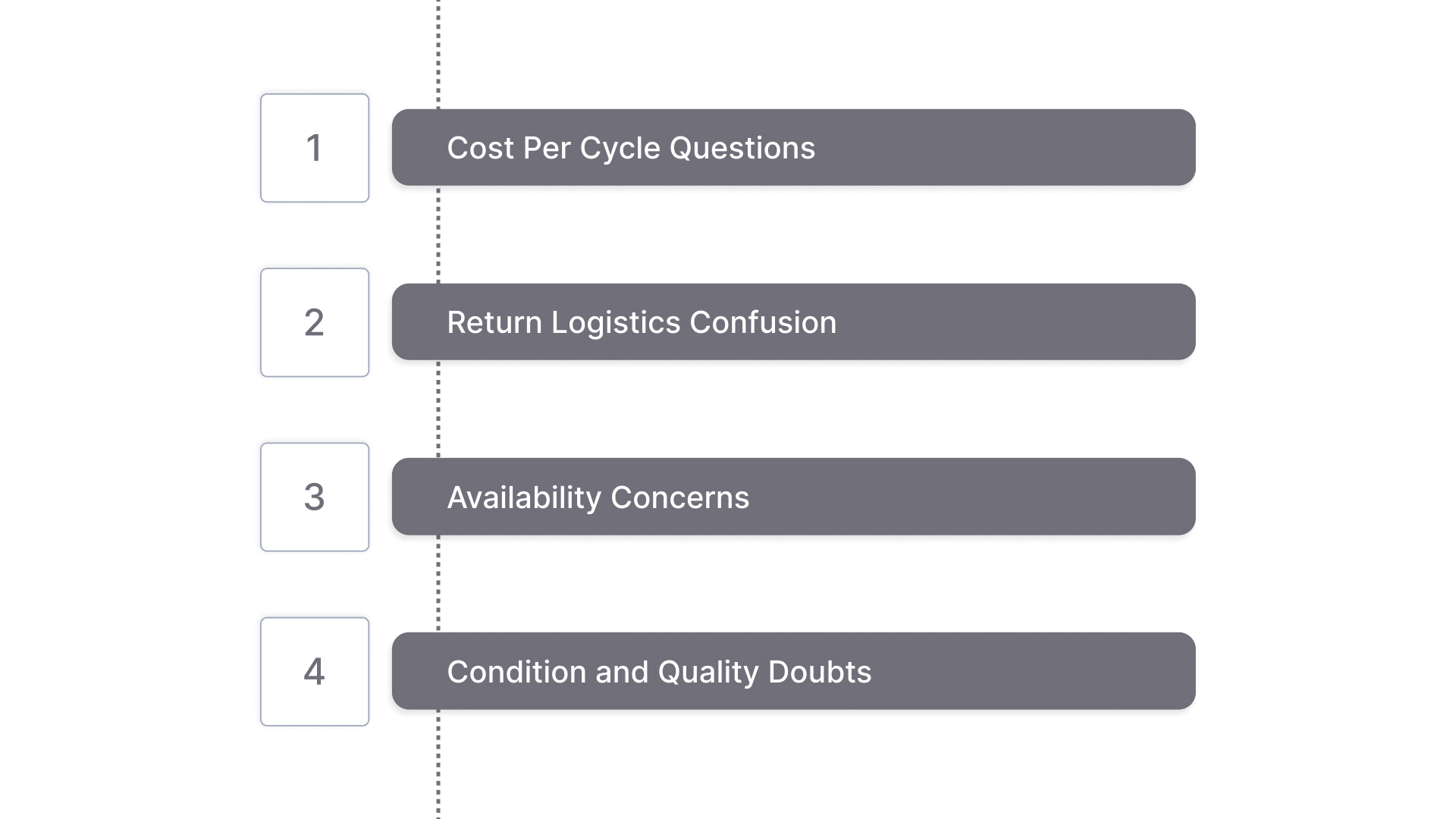
Some enterprises hesitate to adopt pallet pooling because of uncertainty around control, visibility, or cost.
Here are the most common concerns and how they typically break down:
Cost Per Cycle Questions
Teams may worry that pooling fees outweigh savings from not owning pallets.
The reality is that pooled pallets remove hidden expenses like retrieval, repair, and shrinkage.
Cost accuracy improves because expenses stay predictable each month.
Return Logistics Confusion
Multi-site networks may feel concerned about coordinating pallet returns.
Pooling companies handle retrieval, rebalancing, and redistribution for you.
This removes the reverse logistics responsibility from your team.
Availability Concerns
Enterprises fear that pooled pallets may not arrive fast enough during seasonal demand.
Large pooling networks maintain regional inventories to prevent shortages.
Forecasting tools help match supply with expected volume.
Condition and Quality Doubts
Some teams assume reused pallets are lower in durability.
Inspection and repair cycles keep pooled pallets uniform and reliable.
The maintenance process often exceeds typical in-house repair standards.
If these challenges sound familiar, assess your pallet flow with Meridian to see if pooling fits your network.
Seeing the potential concerns makes it easier to appreciate how pooling plays out in real operational settings.
Pallet Pooling Use Case
A real-world scenario helps you understand how pooling pallets supports enterprise-level logistics. Here is a simplified illustration of how pallet pooling services deliver value:
Scenario | Without Pallet Pooling | With Pallet Pooling |
|---|---|---|
Multi-Location Retailer | Tracks pallets manually, pays for repairs, manages returns, and handles pallet shortages during peak months | Receives consistent pooled pallets across all sites, avoids repair costs, and maintains flow during surges |
Large Manufacturer | Stores excess pallets in yard space, misses production windows during pallet shortages | Gets just-in-time pallet deliveries and stable quality for automated lines |
Food and Beverage Network | Struggles with hygiene compliance and pallet contamination issues | Uses plastic pallet pooling that meets industry cleanliness and safety standards |
National CPG Supplier | Deals with constant pallet loss across distributors and spends heavily on replacements each quarter | Gains traceable pooled pallets that stay consistent through every handoff, reducing shrinkage and improving forecasting |
Automotive Parts Distributor | Uses mixed low-quality pallets that cause product damage and inconsistent stacking during transport | Switches to standardized pooled pallets that protect heavy components and stay compatible with automated handling routes |
For operations teams looking to gain these advantages consistently, the right partner can make a measurable difference.
Get Ready to Take Control of Pallet Spend
Meridian helps procurement and operations teams cut pallet costs, remove hidden workload, and keep multi-location warehouses moving with reliable, measurable solutions.
Here are the core Meridian tools that make pallet pooling and packaging procurement work for large enterprises:
Automated RFQ Platform: Submit RFQs in under five minutes, access 2,400 plus suppliers, and capture up to 75 percent more competitive quotes while targeting 5 to 25 percent category savings.
Order Management Portal: Place one click orders, track real time ETAs, and rely on a tiered backup network that supports 99 percent uptime assurance.
Procurement Insights Dashboard: View granular, consolidated spend across all locations, monitor supplier performance, and receive volatility alerts to time market moves.
Packaging Optimization Audit: On-site SKU clarity plus nationwide RFQ execution that guarantees 5 to 25 percent spend reduction within 90 days or money back.
Wrapping Up
Pallet pooling has become a practical way for large enterprises to cut waste, reduce day-to-day pallet management work, and keep warehouse operations running with fewer disruptions. Understanding how the model works gives you a clearer path to stabilizing pallet availability, improving handling efficiency, and lowering overall supply chain costs.
Meridian supports this shift by giving your team access to reliable pooled pallets, nationwide supplier coverage, and tools that eliminate guesswork in procurement. Their technology-powered platform strengthens spend control, improves visibility, and helps multi-location networks keep pallets moving without downtime.
Start your complimentary U.S. pallet and packaging spend analysis with Meridian today.
FAQ
What is pallet pooling in simple terms?
Pallet pooling is a system where pallets are rented from a provider instead of being purchased and maintained internally. The provider manages delivery, collection, repairs, and redistribution so your team does not have to handle any of that work.
How does a pallet pooling system work?
A pooling provider delivers pallets to your facility, collects them after use, and returns them to the network for inspection and redistribution. This cycle keeps pallets moving efficiently across multiple locations without requiring internal storage or maintenance.
Is pallet pooling better than buying pallets?
Pooling removes the cost of purchasing, repairing, and tracking pallets while keeping pallet quality consistent across your network. Enterprises with high volume or multi-location distribution typically save more with pooling compared to ownership.
What are the benefits of pallet pooling?
Pallet pooling helps reduce pallet spend, improve warehouse efficiency, standardize handling, and minimize waste. The system also supports better inventory flow because pallets are always available when needed.
What industries use pallet pooling?
Manufacturing, retail distribution, food and beverage, automotive, and consumer goods companies rely heavily on pooled pallets. Industries with strict hygiene or durability requirements also benefit from plastic pallet pooling.