_____________________________________________________________________
Are you losing money on shipping because your pallets aren't the right size for your containers or storage? The wrong pallet can lead to wasted space, higher freight charges, and unnecessary complexity in your operations.
Understanding standard pallet sizes is essential for optimizing your logistics and cutting costs. Choosing the correct pallet size means maximizing space in trucks and warehouses, while minimizing delays and inefficiencies.
This guide will help you understand the most common pallet sizes, why the right choice matters, and how it can streamline your business operations.
Key Takeaways
The right pallet size is essential for optimizing logistics and reducing costs across storage, shipping, and handling.
Standard sizes like 48" x 40" are widely used for their compatibility with warehouse systems and shipping containers.
Choosing the correct pallet reduces empty space in containers, leading to fewer shipments and lower freight costs.
Pallet size impacts handling efficiency; four-way entry pallets are more versatile for equipment.
Standardized pallets improve inventory tracking and predictability across the supply chain.
What Does “Standard Pallet Size” Mean?
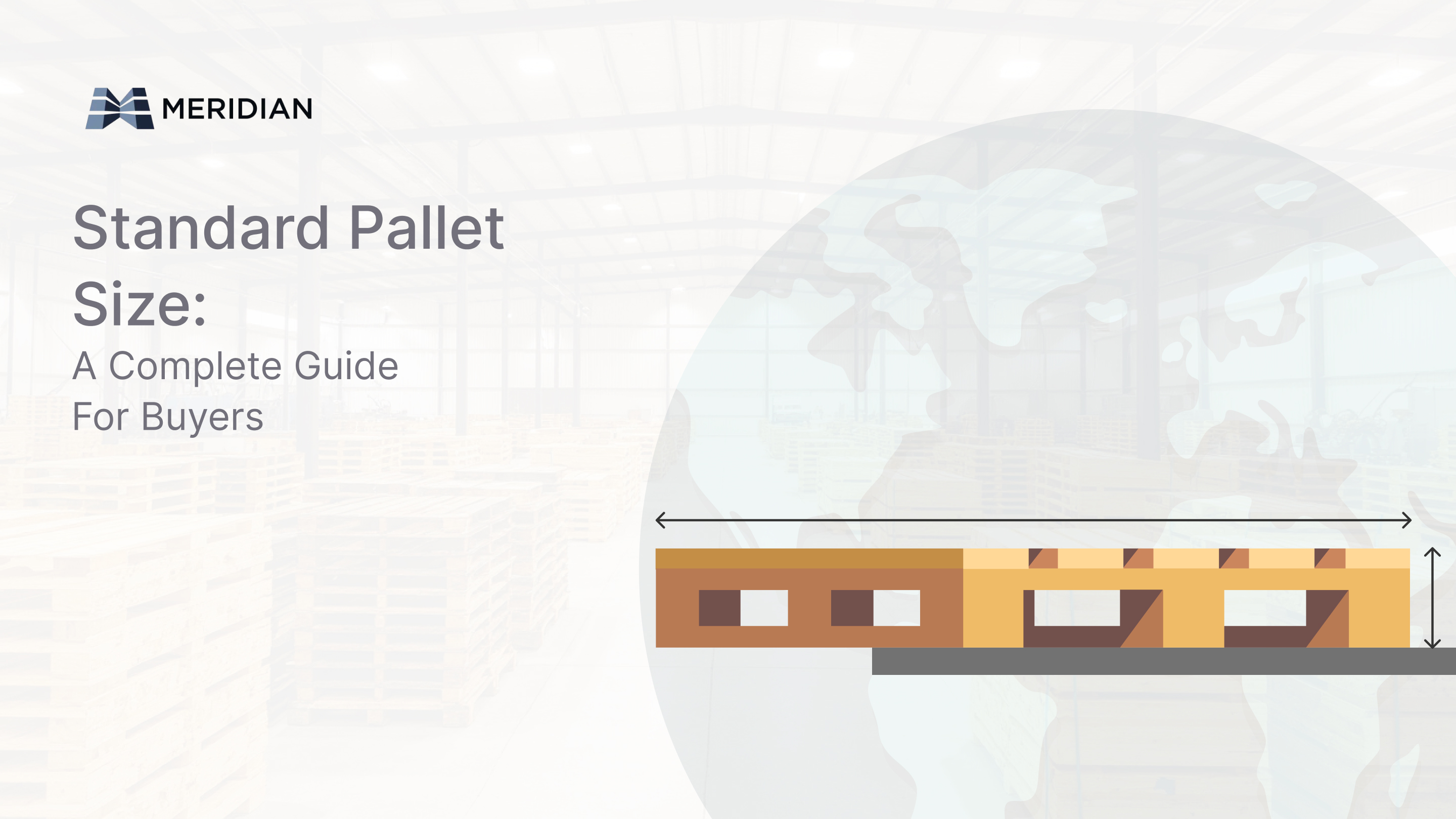
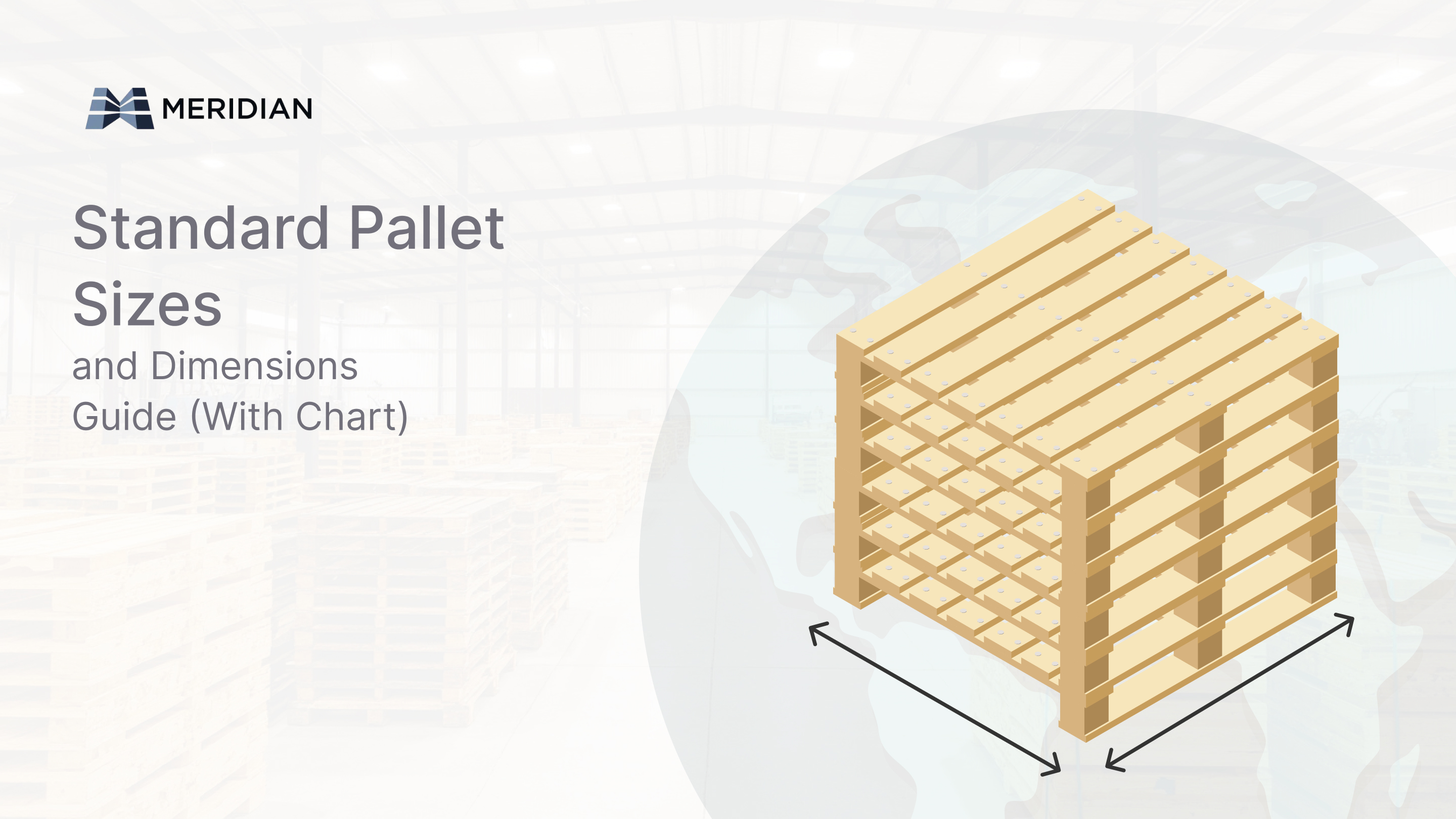
A standard pallet size refers to the commonly used dimensions for pallets in logistics. In the U.S., the 48″ × 40″ pallet, set by the Consumer Brands Association (CBA), is the most widely used size, especially in retail and manufacturing.
The National Wooden Pallet & Container Association (NWPCA) sets guidelines for wood pallets, ensuring quality and safety. While the 48″ × 40″ size dominates, other sizes may be used based on industry needs, such as in automotive or specialized shipments.
Standard pallet sizes offer key benefits like compatibility with handling equipment, optimized space usage, and improved supply chain efficiency. However, sizes can vary by region and industry requirements.
Most Common Standard Pallet Sizes (with Chart in cm & inches)
Below are some of the most common pallet sizes used in logistics, along with their key specifications. These dimensions and load capacities are critical for ensuring efficient storage, handling, and shipping.
Standard Pallet Sizing Chart:
Pallet Size (inches) | Pallet Size (cm) | Top Deck Number | Bottom Deck Number | Stringer Number | Safe Maximum Load | Average Pallet Weight |
48 x 40 | 121.9 x 101.6 | 7 | 5 | 5 | 4592 lbs | 37 lbs |
42 x 42 | 106.7 x 106.7 | 7 | 4 | 3 | 4445 lbs | 36 lbs |
48 x 48 | 121.9 x 121.9 | 6 | 3 | 3 | 4673 lbs | 37 lbs |
40 x 48 | 101.6 x 121.9 | 7 | 4 | 3 | 3696 lbs | 42 lbs |
48 x 42 | 121.9 x 106.7 | 7 | 4 | 3 | 4333 lbs | 35 lbs |
40 x 40 | 101.6 x 101.6 | 6 | 3 | 3 | 3544 lbs | 29 lbs |
36 x 36 | 91.4 x 91.4 | 6 | 4 | 3 | 3544 lbs | 32 lbs |
42 x 31 | 106.7 x 78.7 | 6 | 4 | 3 | 6585 lbs | 33 lbs |
48 x 36 | 121.9 x 91.4 | 6 | 3 | 3 | 5261 lbs | 31 lbs |
Other Common Pallet Dimensions
In addition to the sizes above, two other common pallet dimensions used in the United States include:
42” x 42” Pallet (Sometimes referred to as a “42 Square”)
48” x 48” Pallet (Sometimes referred to as a “48 Square”)
These pallets are versatile and can either be two-way or four-way pallets. The two-way pallet allows forklift or pallet jack entry from only two sides, while the four-way pallet provides entry from all four sides, making it more flexible for handling.
Understanding how pallet size impacts your supply chain efficiency is crucial to making the most cost-effective and operationally sound decision.
How Pallet Size Affects Logistics and Supply Chain - Why It Matters
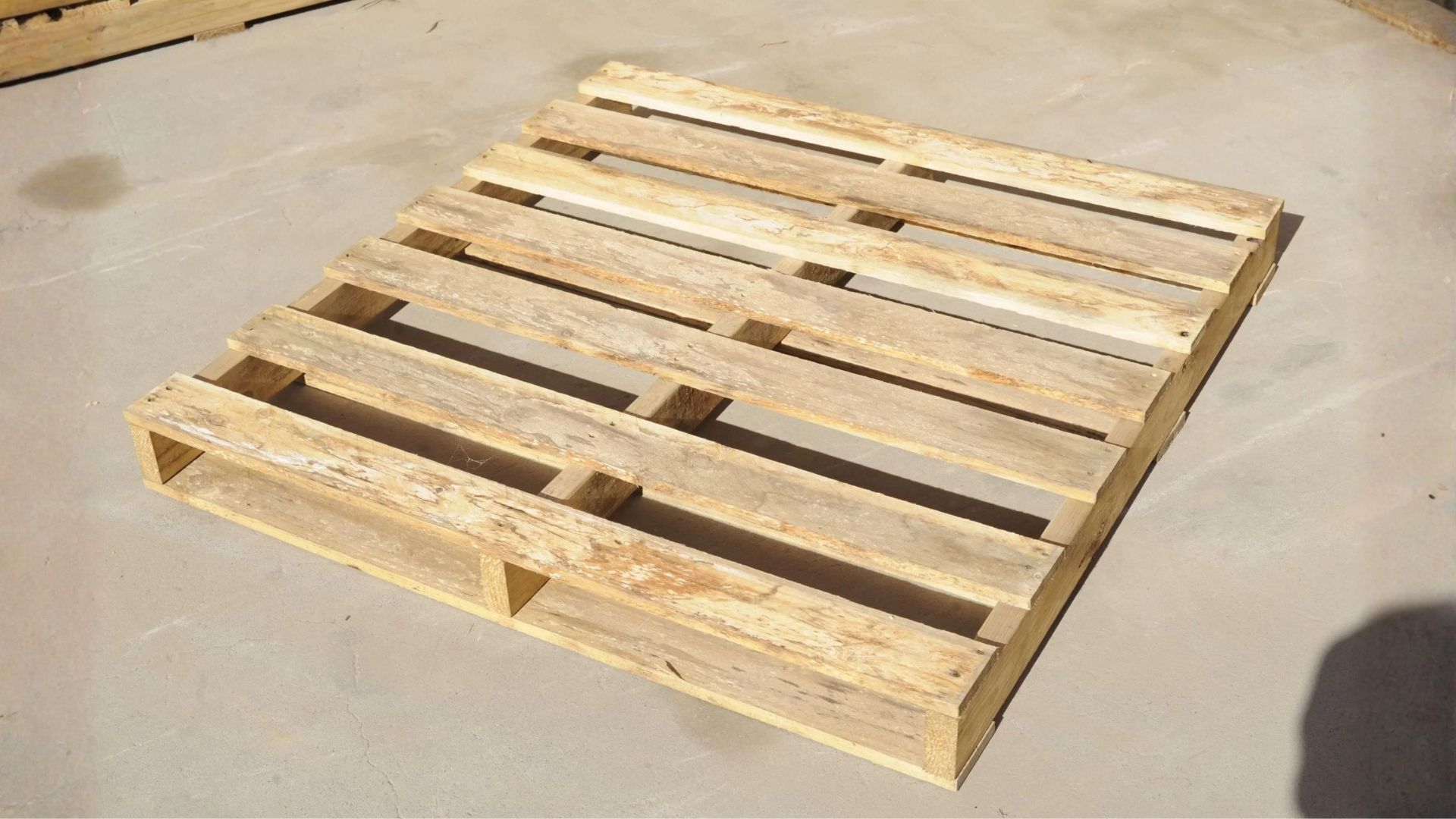
Choosing the right pallet size isn't just about picking the most common or cheapest option; it plays a vital role in optimizing your supply chain.
Here's how pallet size can impact various aspects of logistics:
Storage Efficiency
Standard pallet sizes ensure compatibility with warehouse racking systems, maximizing vertical and horizontal storage.
For example, the 48" x 40" GMA pallet fits well in most racking systems, allowing for better use of space.
Shipping Cost Reduction
Proper pallet size reduces empty spaces in containers, leading to fewer trips and reduced freight costs.
For example, a 48" x 48" pallet may fit fewer items per shipment than the 48" x 40", resulting in higher shipping costs.
Handling Compatibility
Pallets that match forklift and pallet jack requirements reduce handling times and improve efficiency.
Two-way entry pallets, such as the 40" x 40", offer flexibility for certain handling equipment, whereas four-way entry pallets, like the 48" x 42", are better for diverse loading scenarios.
Supply Chain Visibility
Standard pallet sizes contribute to better tracking and inventory management, improving supply chain visibility.
When all pallets are the same size, it’s easier to predict capacity and lead times.
Choosing the right pallet size and specification is crucial for managing both cost and efficiency across your supply chain.
If you're looking for a solution that streamlines your pallet procurement, Meridian offers personalized options to fit your unique needs, helping you reduce costs and improve supply chain performance.
Other Key Pallet Specifications to Consider
While pallet size is essential, other specifications play a crucial role in selecting the right pallet for your operations.
The below factors determine a pallet's durability, capacity, and suitability for your specific logistics needs:
Pallet Height
Standard pallet height typically ranges from 4.5" to 6.5". For example, the 48" x 40" pallet generally stands at 5.5" in height, which balances ease of handling with load capacity.
Load Capacity
Pallet capacity is vital to ensure safe and efficient handling. The 48" x 40" GMA pallet can typically support 4,592 lbs, making it suitable for most general cargo.
For heavier loads, consider the 48" x 48" pallet, which has a 4,673 lbs maximum load capacity.
Material & Construction
Wooden Pallets: Most common, offering durability and cost-effectiveness. The 48" x 40" wood pallet is widely used in warehouses and distribution centers.
Plastic Pallets: Lighter and more hygienic, making them ideal for food or pharmaceutical industries.
Metal Pallets: Typically used for heavy-duty and specialized applications, like aerospace or chemical storage.
Pallet Types
Stringer Pallets: Most common in the U.S., featuring three horizontal boards.
Block Pallets: Provide more support, ideal for heavy-duty use or uneven loads.
Skid Pallets: Simplified design with no bottom deck, making them lighter and suitable for lighter loads.
These specifications can greatly affect how your pallets perform under different conditions. Now, let's explore how to choose the best pallet size based on your specific needs and operations.
5 Key Considerations When Choosing the Right Pallet Size for Your Needs
Selecting the right pallet size depends on several factors, including the nature of your products and the logistics involved.
By understanding your specific needs, you can optimize your supply chain efficiency and reduce costs.
Heavy Goods
Pallet Size: 48" x 48"
Reason: For heavier loads, the 48" x 48" pallet offers a higher load capacity (4,673 lbs), ensuring safe handling and storage.
Small to Medium-Sized Goods
Pallet Size: 48" x 40"
Reason: The 48" x 40" pallet is ideal for standard goods with moderate weight (up to 4,592 lbs), commonly used in retail and distribution centers.
Lightweight, Fragile Products
Pallet Size: 40" x 40"
Reason: The 40" x 40" pallet offers a lighter weight (29 lbs) and is suitable for fragile products that don't require heavy load-bearing capacity.
Compact Storage or Small Products
Pallet Size: 36" x 36"
Reason: Smaller pallet sizes like 36" x 36" are perfect for compact storage spaces and smaller goods, helping optimize warehouse space and reducing storage costs.
International Shipments
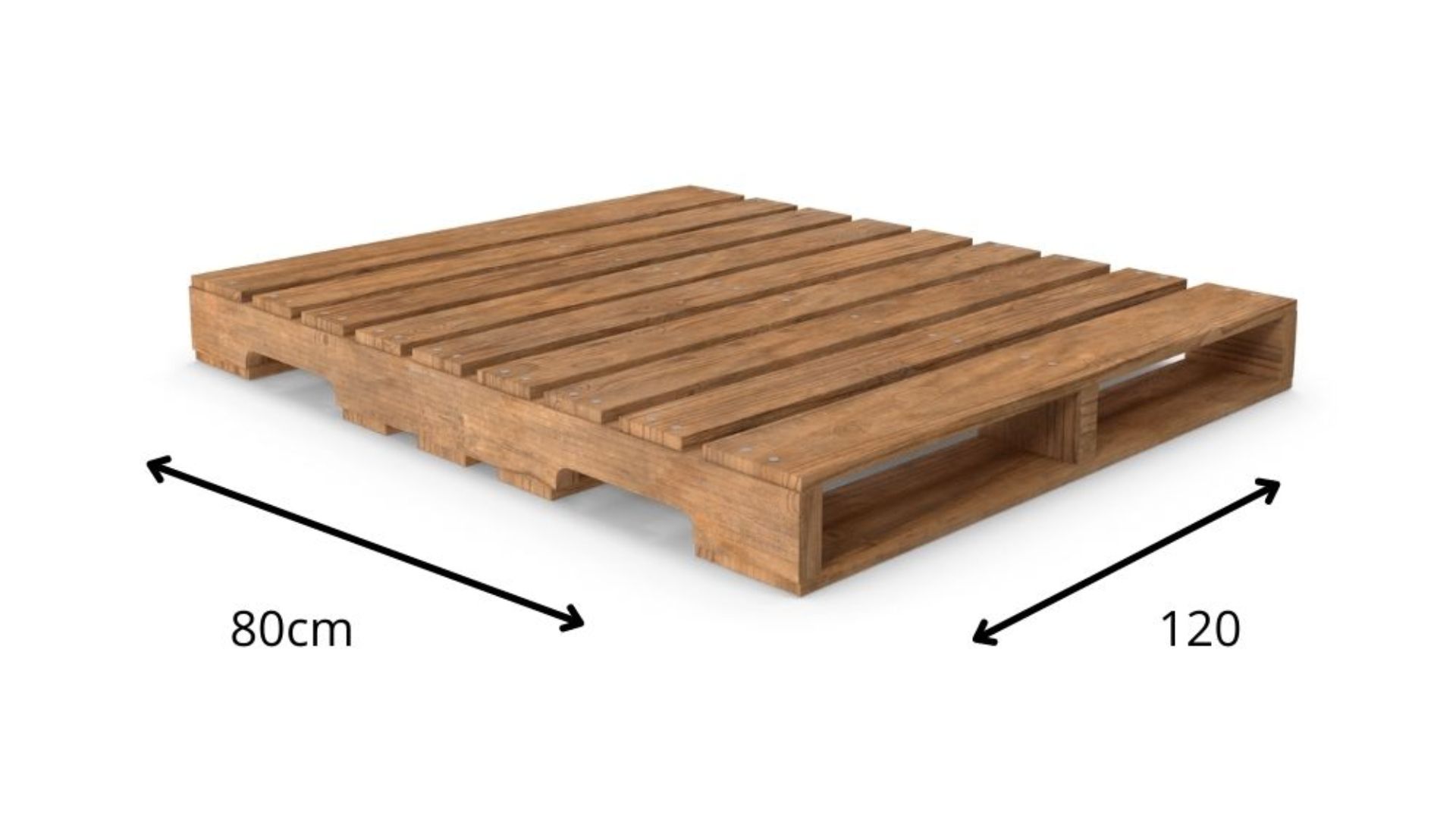
Pallet Size: 1200 mm × 800 mm (Euro Pallet)
Reason: For international shipments, the Euro Pallet is a widely accepted size in Europe, ensuring compatibility with global shipping and racking systems.
Choosing the right pallet ensures operational efficiency and cost reduction. Now, let's look into some common mistakes to avoid when selecting pallet sizes for your business.
4 Critical Mistakes to Avoid When Choosing Pallet Sizes
Choosing the wrong pallet size can lead to inefficiencies, higher costs, and delays. Avoid these common mistakes to ensure optimal performance in your logistics operations.
Here are some of the common mistakes to avoid:
Using Non-Standard Sizes: Non-standard pallet sizes, like 40" x 48" or custom pallets, may not fit into existing racking or shipping systems, leading to wasted space and additional handling costs.
Ignoring Load Capacity: Failing to consider the load capacity can result in overloading pallets, risking damage to goods or pallets. Ensure the pallet can safely support the weight of your load.
Choosing Incompatible Materials: Using the wrong material, such as wooden pallets in food-grade environments, can cause compliance issues or contamination. Select materials that meet industry standards and specific operational needs.
Overlooking Entry Type: Pallets with fewer entry points, like two-way pallets, can slow down handling processes. Opt for four-way pallets to improve compatibility with forklifts and automated systems.
By avoiding these mistakes, you can improve operational efficiency and reduce costs.
How Can Meridian Help With Your Pallet Sizing and Procurement Needs?
Meridian simplifies pallet procurement through a technology-driven approach, offering personalized solutions to businesses across industries. With a network of over 2,400 suppliers, they provide reliable and cost-effective pallet options that suit specific business needs.
What Meridian Offers:
Wide Range of Pallet Types: Includes 48" x 40" GMA, heat-treated, custom, and recycled pallets.
Automated RFQ Platform: Makes the quoting process quicker, allowing businesses to compare quotes from multiple suppliers in real-time.
Order Management Portal: Provides full visibility over shipments, invoices, and deliveries for better tracking and control.
Procurement Insights Dashboard: Delivers data-driven insights to optimize pallet usage and reduce costs.
Packaging Optimization Audit: Identifies inefficiencies and suggests cost-effective pallet and packaging alternatives, with savings of 5–25%.
Explore the variety of pallets available through Meridian and simplify your procurement process today.
Wrapping Up
Selecting the right standard pallet size is key to optimizing logistics and reducing shipping costs. Understanding pallet dimensions helps improve storage efficiency and streamline operations.
Meridian provides businesses with customized pallet solutions, offering a wide range of options and tools to optimize procurement and reduce costs.
Speak with us today to optimize your pallet sourcing and improve efficiency.
FAQs
When should I choose a smaller pallet (e.g., 36″×36″ or 40″×40″) instead of a standard 48″×40″?
If your goods are compact, light, or you operate in a warehouse with narrow aisles or limited storage space, smaller pallets minimize wasted space and improve maneuverability.
Can using a non‑standard pallet size cause loading or shipping problems with carriers?
Yes, carriers often expect standard pallet footprints (e.g., 48″×40″); non‑standard sizes may not stack efficiently or may reduce container/truck utilization, potentially increasing freight costs or causing refusal.
How does pallet weight affect handling and shipping costs?
Heavier pallets (e.g., full‑deck wood) add to the shipped weight, increasing freight charges; lighter pallets reduce freight weight and make handling easier, especially for light or medium‑weight loads.
Is it necessary to match pallet size with racking and material‑handling equipment before ordering?
Absolutely, using pallets compatible with your racks, forklifts, or pallet jacks avoids misfits, reduces damage risk, and improves storage density and safety in operations.
How do I know if my load requires a pallet with a higher load capacity or a custom build?
If your shipment exceeds common weight thresholds (e.g.,> 2000+ lbs) or involves bulky/irregular items, opt for pallets with higher load capacity or custom specifications to ensure safety and prevent product damage.